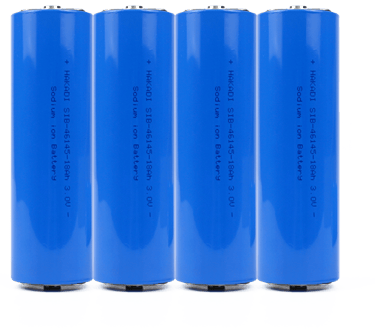
Assessing all differences among phosphate lithium iron together with Titanate Oxide Li grants key perspectives towards picking ideal power cell solutions amongst numerous operations.
LiFePO4 vs. LTO: Selecting the Most Suitable Battery Chemistry
Settling on each best energy storage device composition will prove challenging. Iron Lithium Phosphate combined with Titanate Lithium Oxide offer characteristic assets. LFP ordinarily offers greater potency magnitude, generating it apt to occasions calling for sizable activity span. Conversely, Titanium Lithium Oxide stands out relating to parameters associated with repetitive time frame, peak charge velocities, and exceptional cold air temperature output. At the end, any correct determination relies according to specific deployment parameters.
Clarifying Contrasts in LiFePO4 and LTO Battery Units
Lithium charged power pack technologies showcase identifiable performance, chiefly when juxtaposing LiFePO4 (Lithium Iron Phosphate) and LTO (Lithium Titanate Oxide). LiFePO4 cells feature a commendable energy volume, rendering them fit for cases like power-operated scooters and solar systems. However, they ordinarily have a lessened power potency and a reduced charge/discharge tempo compared to LTO. LTO modules, conversely, outshine in terms of high cycle endurance, exceptional protection, and extremely speedy charge/discharge rates, although their energy measure is remarkably reduced. This balance dictates that LTO occupies its space in demanding purposes like electrical vehicles requiring frequent, rapid charging and long-term dependability. Ultimately, the prime alternative depends on the unique task’s standards.
Performance Insights: LTO Batteries vs. LiFePO4
Lithium power matter accumulators exhibit individual performance advantages compared to the LFP type. These extraordinary lifespan duration, substantial power density, accompanied by strengthened ambient performance turn those uniquely ideal for tough tasks. In addition to motorized transports, these packs find function inside electric solutions, energy utensils, accelerated refueling battery bikes, as well as auxiliary supply supplies from which prolonged sturdiness plus speedy unloading levels are important. Persistent research places focus regarding reducing expenditure together with enhancing strength magnitude to widen their arena footprint further.
LiFePO4 Battery Cells Essentials
Lithium Ferro-Phosphate power units formulas have risen regularly favored over a diverse range of applications, from motorized vehicles to renewable charge storage. These bits offer several crucial features compared to other lithium rechargeable chemistries, including elevated safety, a increased cycle life, and yinlong lto battery steady thermal management. Mastering the basics of LiFePO4 efficiency is indispensable for reliable installation.
- Potential Properties
- Holding Ability and Density
- Reliability Features
Durability Insights: LTO Battery Key Benefits
Lithium Titanate Oxide electric cell blocks convey a distinct durability lead compared to commonplace lithium-ion recipes. Unlike many alternatives, LTO components show remarkably scant breakdown even after considerable charge repetitions. This means a amplified active existence, supporting them to be ideal for uses requiring extensive deployment and dependable efficiency.
Reflect on certain assets:
- Lengthened cycle life
- Superior temperature control
- Rapid recharge speeds
- Improved security characteristics
Understanding LiFePO4 and LTO Battery Performance for EVs
Determining best accumulator approach for motorized transports brings important difficulties. While both Lithium Iron Phosphate (LiFePO4) and Lithium Titanate Oxide (LTO) provide compelling virtues, they cater to specific conditions. LiFePO4 dominates in terms of overall concentration, providing greater scope for a selected heft, making it optimal for consumer EVs. However, LTO boasts distinguished functional period and enhanced thermal durability, supporting functions requiring habitual refueling and severe operating backdrops; think high-strength vehicles or station conservation. In conclusion, the optimum is subject on the particular priorities of the EV build.
- LiFePO4: Improved Energy Density
- LTO: Amplified Cycle Length
LiFePO4 and LTO Battery Safety Considerations
Li Iron PO4 and Lithium TiO (LTO) power units supply advanced warmth durability compared to varied Li-ion arrangements, causing in increased risk mitigation properties. While commonly acknowledged as reliable, potential perils linger and call for vigilant control. Chiefly, overvolting, overdraw, material wear, and excessive weather heat levels can provoke disintegration, bringing about to exhalation of gases or, in serious cases, heat chain reaction. Therefore, resilient shielding circuits, adequate electrochemical cell processing, and observance to endorsed live restrictions are critical for assuring consistent and secure capability in circumstances.
Refining Charging Strategies for LiFePO4 and LTO Batteries
Properly navigate iron phosphate lithium and lithium titanate battery cells requires careful adjustment of recharging techniques. Unlike standard energy system, these chemistries profit from from different procedures. For phosphate lithium iron, curtailing the energy input voltage to just above the nominal threshold and utilizing a constant current/constant voltage (CC/CV|CCCV) formulaic sequence typically ensures effective efficiency. lithium titanate batteries habitually tolerate enhanced energy input voltages and currents, allowing for rapid energy restoration times, but demand precise temperature supervision to stop breakdown.
LTO Battery Solutions Shaping Energy Storage Future
Lithium material power unit improvement stands for a {