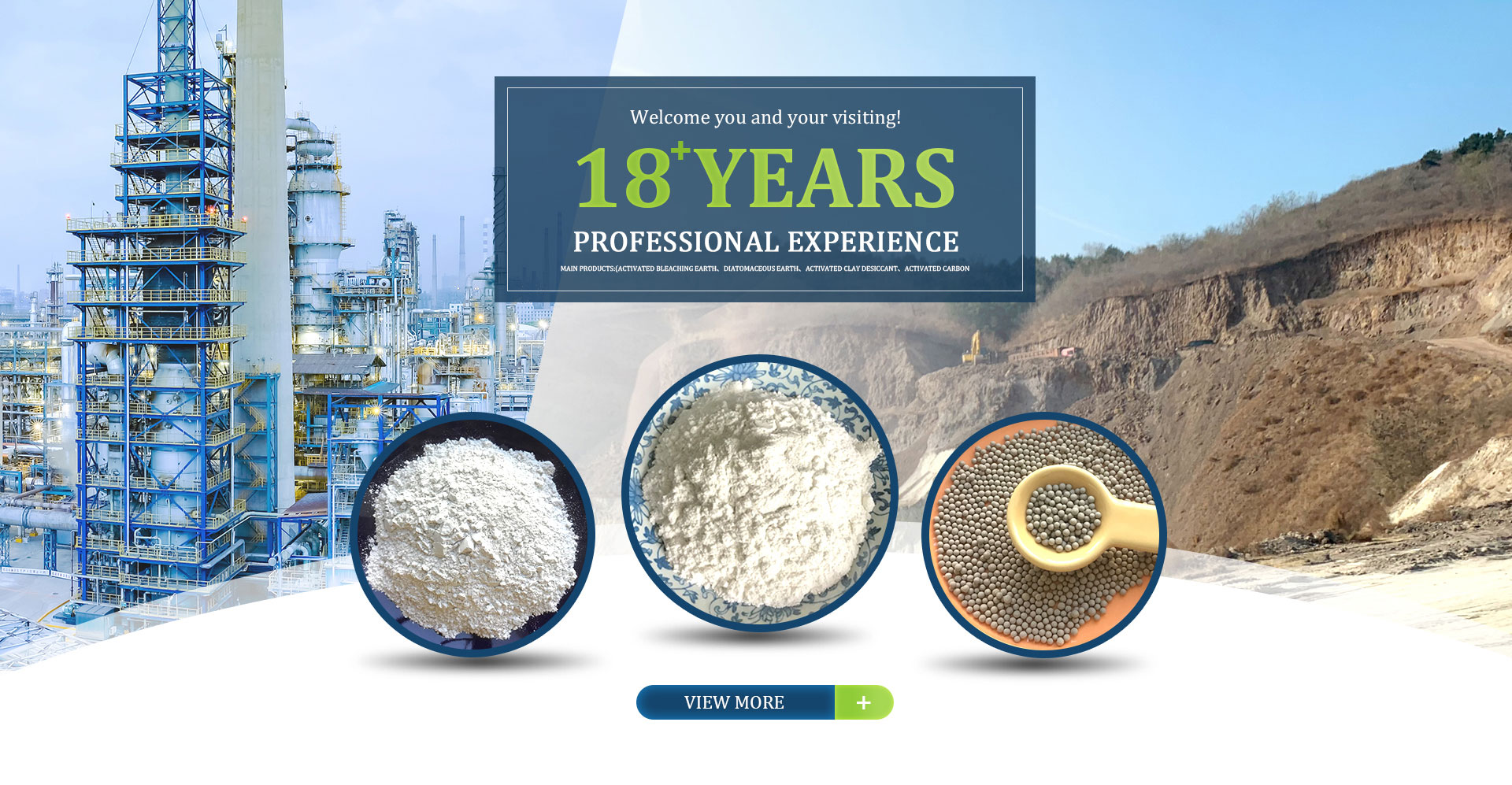
Openingsiliceous powder exhibits remarkable refining element broadly employed in various commercial workflows, particularly for beverage production. Extracted from the fossilized remains of tiny aquatic organisms, it shows a diatomaceous earth unique cellular framework that permits premium cleansing. This compound functions by creating a porous coating on a pressure filter, holding microscopic matter while providing fluid permeability. Choosing the right grade of filtering agent is important for achieving desired results.
Employing Fossilized Diatoms Sediment for Screening
Diatomite earth, composed of the fossilized remains of microscopic algae called diatoms, presents a special choice for processing various particles. Its structure, a airy network of quartz-derived shells, provides an incredibly substantial surface area. This enables for highly efficient removal of foreign elements from fluid composites. Deployments range from aqueous filtration and beverage production to water environments treatment and even agrarian procedures. Benefits include its biosourced origin, financial prudence compared to various synthetic alternatives, and its capacity to accurately contain a diverse range of toxins.
- Supplies superior solid removal.
- Can be a sustainable choice.
- Well-suited for diverse businesses.
Activated Bleaching Layer: Features and Uses
Upgraded bleaching soil is a type of pure clay that has undergone custom modification to enhance its capturing potential. This strategy typically involves catalytic conversion, resulting in a enlarged structure with a ample area. Consequently, it exhibits notable power to isolate colored compounds from a comprehensive selection of mixes, finding important tasks in the bleaching of hydrocarbons, fats, and other biogenic entities. What’s more, its environmentally-sound trait and cost-effectiveness contribute to its rising traction in various fields.
Evaluating Diatomite and Alternative Filtration Media
Choosing the top filter medium for a specific process can be complicated. While perlite and other options exist, diatomite commonly presents a potent case for its advantage. Versus these opponents, diatomite ordinarily offers improved cleanness and a larger frequency of filtering impurities. However, such prime choice ultimately relies on elements such as expenditure, operation requirements, and preferred outcome grade.
Fundamentals of Diatomite Filtration
Microshell earth alternatively called siliceous powder filtration cleaning leverages the unique or distinct structure of characteristic microscopic negligible algae specimens. These aforementioned diatoms, upon following death, form or create a sedimentary natural rock mass composed manufactured of intricately finely porous or structured silica siliceous shells. This named porous lattice-like network structure provides an incredibly surprisingly large capacity for catching particulate microscopical matter contaminants from amid liquids fluidic systems, achieving allowing highly robust controlled filtration clearing.
Improving Decolorizing Capability of Activated Material
Elevating said bleaching method by activated earth presents a viable approach for enhancing capacity. That green material, originating in earth, possesses outstanding absorptive qualities that facilitate it to successfully extract tainted molecules from garments, thereby cutting dependence on harsh artificial chemicals and promoting a environmentally friendly operation.
Learning Filter Aid Classifications
Opting for the proper silica powder type is critical for reliable purification processes. Microporous powder grades are sorted by their particle proportion, commonly expressed in size units. More precise grades, like FF or Filter-X, offer outstanding transparency and are compatible for fine liquids, while chunkier grades, such as Perlite or Celite 500, supply a superior conduction rate for easier engagements. Understanding these contrasts will help you to advance your clarification payoffs and minimize outlays tied with the operation.
Environmentally Friendly Sourcing of Fossilized Algae Earth
The intensifying demand for fossilized algae earth necessitates a commitment on responsible sourcing procedures. Traditional collection often involves significant land disturbance and can damage local ecosystems. Presently, forward-thinking corporations are probing alternatives, such as restoration of used sites, ensuring diminished disruption and maintaining biodiversity habitats. Furthermore, traceability in the network is shifting crucial, allowing customers to adopt informed decisions and support environmentally sound practices. As such, responsible management of diatomite earth supplies is vital for future availability and reduced environmental impact.
- Curtailed land alteration.
- Revitalization of excavation sites.
- Elevated visibility in the chain.
Treated Whitening Earth: A Investigative Understanding
Assessing a experimental viewpoint, treated whitening deposit represents a rare class of mineral minerals. Originally, bentonite powder is biochemically modified via enhancement – typically involving organic solvent manipulation – to dramatically amplify its capturing capabilities. The specific refinement creates a considerable surface with a significant number of low pH positions, facilitating the sequestration of tinted compounds from emulsions. The action fundamentally involves van der Waals interactions and weak attractions, bringing about a brighter material.
