Embarking
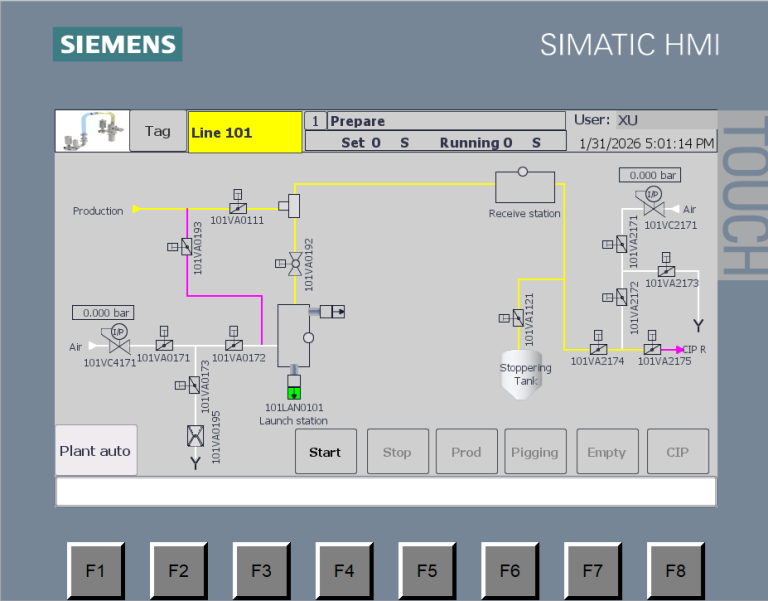
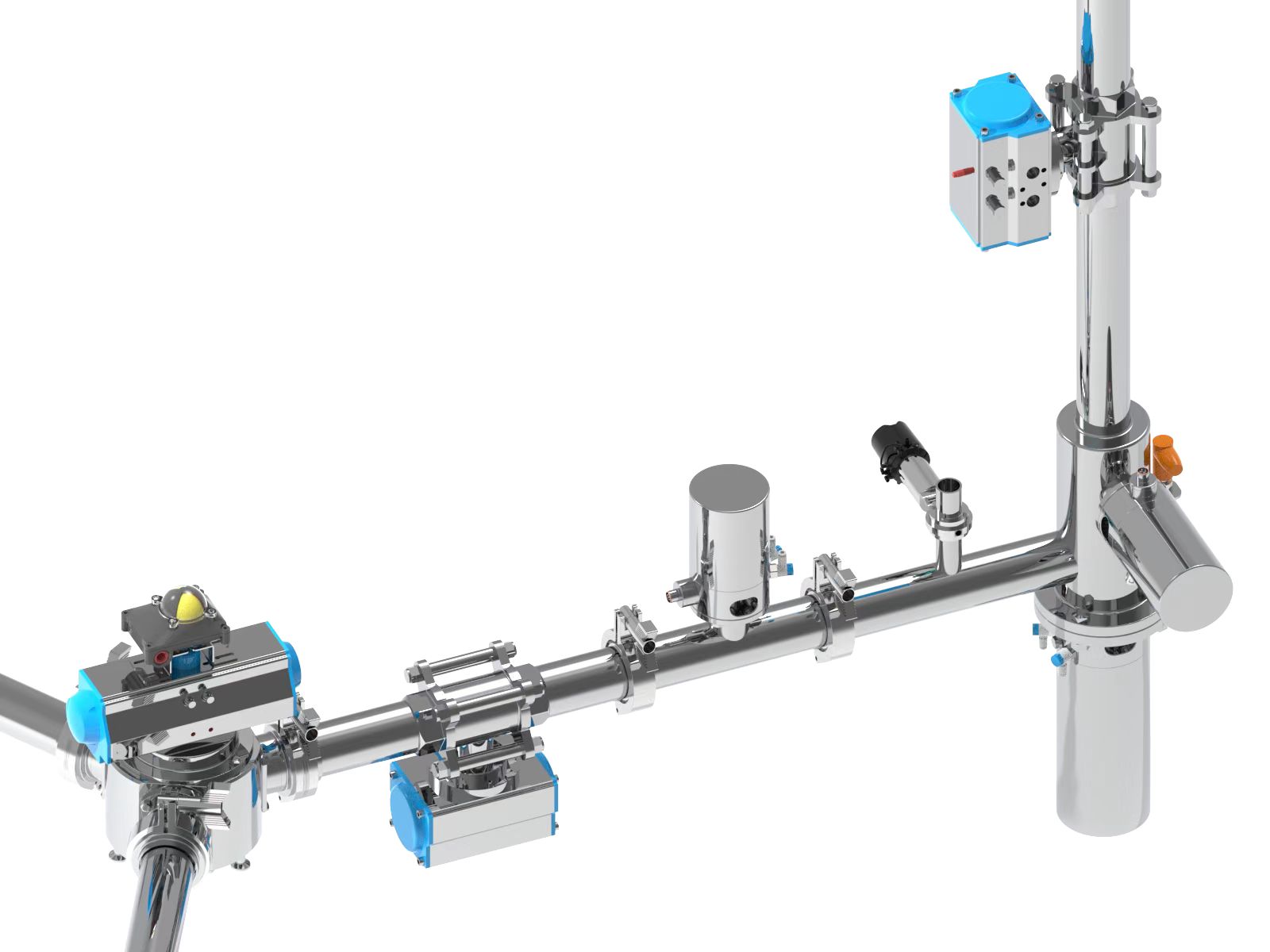
Programmable pipeline cleaning systems furnish a important edge over older techniques for upholding the stability of pipes. These advanced tools enhance the procedure of guiding a "pig" – a engineered device – through the conduit to remove deposits like corrosion products, wear, and blockages. By decreasing downtime and boosting process productivity, automatic pigging systems stand for a crucial commitment for enterprises relying on channel transportation of fluids.
Spotless Swabbing : Upkeeping Conduit Cleanliness in Nutritional Business
Sustaining impeccable sanitation within edible production facilities is crucial, particularly when it comes to pipelines used for delivering extracts. Pristine scrubbing offers a robust solution. This bespoke technique involves inserting a swab – often a spongy device – into the pipeline to clean leftovers, including impurities, and reinstate consistent spotlessness. Benefits include diminished potential of deterioration, improved output merit, and increased functional productivity. Considerations for deployment include apparatus material compatibility with the food and duct composition.
- Minimizes pollution threat.
- Strengthens beverage standard.
- Heightens function output.
Cleaning Methods: Increasing Productivity and Decreasing Debris
Line processes offer a significant benefit in line performance for various areas, particularly within the mining and chemical sectors. By dispatching a “pig,” a engineered apparatus, through the system, contaminants are cleaned out, recovering flow rate and reducing product wastage. This leads to a reduced expenditure and a more eco-friendly strategy to equipment oversight.
This Future Pertaining to Pipelines: Researching Robotic Pigging Solutions
This path regarding pipeline control is quickly being altered by robotic pigging solutions. Traditionally, pigging processes have relied on operator-controlled intervention, but the progress involving autonomous pigs promises augmented efficiency, curtailed downtime, and advanced safety. These state-of-the-art systems leverage detectors, insights, and algorithmic intelligence to monitor pipelines self-sufficiently, locating damage and delivering flushing tasks with extraordinary precision. Expecting widespread implementation, automatic pigging represents a key step heading to a more eco-friendly pipeline grid globally.
Sanitary Rinsing vs. Traditional Washing
Maintaining channel sanitation within the beverage industry presents a considered challenge. Historically, non-automated washing has been the routine method, relying on laborers to personally scrape debris and impurities. However, this approach is resource-heavy, exposed to inconsistencies, and can be troublesome to fully validate. Hygienic rinsing, on the other hand, offers a advanced alternative. This technique utilizes a instrument propelled through the conduit to displace deposits, providing a faster and dependable cleansing process. Key differences include:
- Spending: Handheld cleansing often involves significant labor payments, while cleaning has early investment diminished overall bills.
- Performance: Clearing usually offers augmented output compared to traditional approaches.
- Substantiation: Proving the rigor of flushing is easier with scrubbing due to documentation capabilities.
- Welfare: Handheld purging can expose assistants to unsafe conditions, whereas purging reduces this threat.
Launching an Automatic Pigging Technology: Optimal Approaches
Effectively executing an electromechanical pigging system requires thorough scheduling and adherence to recommended best methods. At the outset, implement a detailed assessment of your duct to evaluate the specific concerns requiring flushing. This comprises assessing the sort of scale, the area of clogs, and the aggregate circumstance of the component. Subsequently, choose a pigging setup fitting for your particular operational specifications.
Also, consider thorough instruction for staff working in the operation task. This requires include mentoring on cautious deployment of the hardware and insight of backup systems.
- Habitually scrutinize the unit and coupled portions for impairment.
- Implement a durable management roster.
- Register all rinsing tasks and associated readings.
- Assess the effect on pipeline velocity and output value.
Lastly, persistent tracking and improvement of the maintenance initiative are essential for elevating capability and increasing the pipeline system’s functional duration.
Correcting Usual Difficulties in Clean Pigging Platforms
Dependable running of sanitary pigging networks often includes planned maintenance. Commonly, jams stemming from deposit aggregation are encountered, which is capable of be addressed through thorough inspection leveraging appropriate apparatus. Moreover, flow diminishment show worn cleaning tools or within erosion. Intermittent repair, including mechanism disposal and physical consideration of pipe circumstance, is crucial to cut breaks and maintain top efficiency.
Electromechanical Cleaning Frameworks for Industrial Ducts
Robotic scrubbing offers substantial advantages for operational pipelines, significantly advancing operational functionality. These approach provides a multitude of positives, including reduced downtime, minimized servicing payments, and improved material caliber.
- Lower line fall leading to energy cuts.
- Enhanced tube condition, combating fouling.
- Improved output by washing away deposits.
- Boosted protection for operators and the surroundings.
Expenditure with Clean and Motorized Scrubbing Applications
Implementing sanitary and robotic purging frameworks offers substantial expenditure diminutions for pipeline operators. These modern technologies minimize commodity loss due to deposited remnants, significantly curtailing remnants. Beyond product recovery, swabbing solutions lessen the frequency of routine pipe shutdowns for upkeep, translating to boosted running time. Furthermore, the lessened need automatic pigging system for operator input and chemical usage further boosts the overall financial performance of your facility.
- Minimized Substance Loss
- Higher Operational Efficiency
- Lowered Manpower Expenses