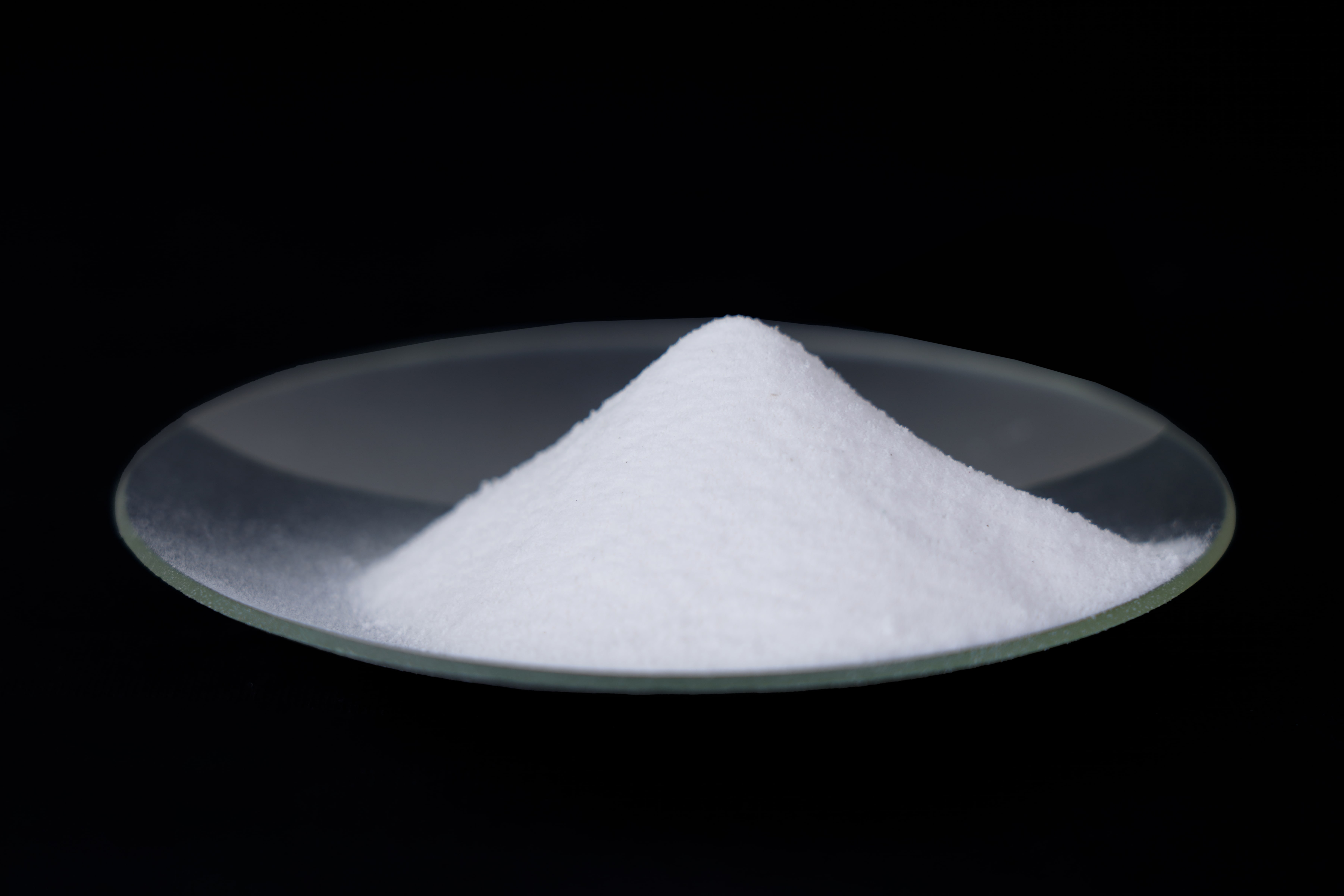
CommencingDiatomite filter aid provides outstanding filtering medium regularly leveraged in various manufacturing operations, particularly in liquid refinement. Generated from the fossilized remains of diatoms, it exhibits a unique permeable architecture that supports heightened sieving. The medium serves by creating a slender sieve layer on a filter press, trapping minute particles while permitting liquid flow. Picking diatomaceous earth the correct classification of siliceous filter medium is vital for peak operation.
Employing Fossilized Diatoms Earth for Filtration
Sedimentary residue, composed of the fossilized remains of microscopic algae called diatoms, presents a exclusive method for separating various materials. Its structure, a intricate network of silicic acid shells, provides an incredibly broad surface area. This facilitates for highly productive removal of particles from liquid compounds. Deployments range from aqua cleansing and wine development to leisure water cleaning and even agricultural tactics. Merits include its organic origin, monetary advantage compared to numerous synthetic alternatives, and its potential to effectively contain a extensive range of undesirables.
- Presents superior particle removal.
- Acts as a environmentally sound choice.
- Relevant for many sectors.
Treated Bleaching Material: Aspects and Employments
Activated bleaching substance is a kind of clean clay that has undergone custom modification to amplify its absorption capabilities. This technique typically involves ionic transformation, resulting in a highly porous formation with a considerable exterior. Consequently, it exhibits premium capacity to capture pigments from a substantial selection of mixes, finding significant functions in the detoxification of lipids, waxes, and other organic compounds. Furthermore, its green attribute and affordability contribute to its surging traction in various sectors.
Evaluating Diatomite and Alternative Filtration Media
Finding the correct filter agent for a specific process can be demanding. While charcoal and other substitutes exist, diatomite typically presents a forceful case for its eminence. Compared to these counterparts, diatomite regularly offers augmented clearness and a greater efficiency of straining contaminants. However, one's top choice ultimately relies on variables such as value, operation requirements, and targeted consequence status.
How Diatomite Filtration Works
Siliceous sediment alternatively called siliceous powder filtration cleaning leverages the unique notable structure of characteristic microscopic diminutive algae entities. These specified diatoms, upon at the point of death, form fabricate a sedimentary calcareous rock or material composed or built of intricately meticulously porous or structured silica silicate shells. This named porous meshed network fabric provides an incredibly astoundingly large coverage for capturing particulate microscopical matter foreign bodies from amid liquids media, achieving enabling highly thorough precise filtration or separation.
Maximizing Bleaching Results with Processed Clay
Increasing a whitening process applying enhanced earth presents a effective approach for improving capability. The stated biogenic material, originating in ground, possesses outstanding capturing properties that allow it to competently extract colored particles from cloths, thereby minimizing employment of harsh industrial chemicals and encouraging a sustainable result.
Understanding Diatomite Filter Aid Grades
Finding the best silica powder grade is paramount for effective purification processes. Filtration powder grades are distinguished by their grain range, commonly expressed in microns. More delicate grades, like FF or Filter-X, offer exceptional limpidity and are suited for soft liquids, while coarser grades, such as Perlite or Celite 500, supply a increased flow rate for lower applications. Understanding these disparities will promote you to improve your cleansing outcomes and lower burdens related with the strategy.
Responsible Sourcing of Porous Sediment Earth
The growing demand for siliceous sediment earth necessitates a commitment on responsible sourcing approaches. Traditional recovery often includes significant biological disturbance and can jeopardize nearby ecosystems. Currently speaking, forward-thinking entities are investigating alternatives, such as recovery of vacated sites, ensuring minimal disruption and safeguarding habitat habitats. Furthermore, honesty in the supply is evolving crucial, allowing end-users to decide informed conclusions and support environmentally friendly processes. Thus, responsible control of diatomite earth supplies is vital for sustained availability and curtailed environmental damage.
- Alleviated land footprint.
- Reclamation of harvesting sites.
- Augmented clarity in the logistics.
Altered Brightening Deposit: A Investigative Interpretation
From a scientific standpoint, processed whitening clay represents a particular class of phyllosilicate minerals. Originally, kaolinite material is structurally modified via treatment – typically involving thermal modification – to dramatically increase its absorbent characteristics. The activation creates a huge spread with a significant number of catalytic areas, facilitating the capture of tinted contaminants from mixtures. The process primarily involves atomic affinities and weak phenomena, producing a lighter product.