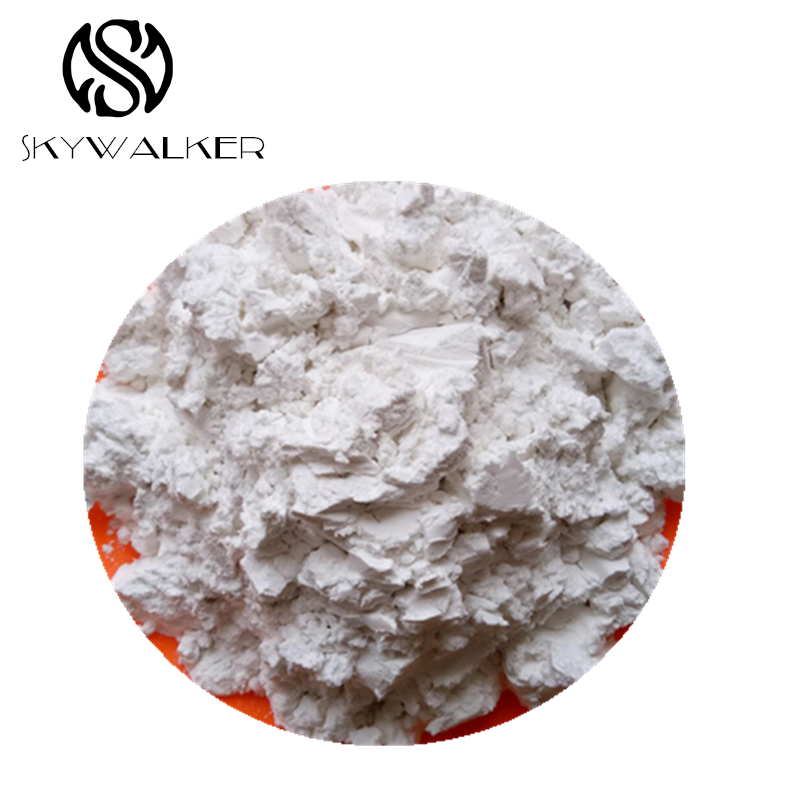
CommencingDiatomite filter aid acts as superior separating agent commonly used in various commercial workflows, particularly throughout liquid treatment. Originating from the fossilized remains of ancient diatoms, it contains a unique complex texture that grants heightened sieving. The element serves by creating a subtle particulate screen diatomaceous earth on a filtering module, absorbing infinitesimal fragments while allowing the liquid to pass through. Choosing the right grade of diatomite filter aid is critical for superior function.
Capitalizing Micro-shells Substance for Straining
Siliceous sediment, composed of the fossilized remains of microscopic algae called diatoms, presents a novel choice for processing various particles. Its structure, a open network of silica-based shells, provides an incredibly large surface area. This supports for highly robust removal of debris from mixtures. Applications range from moisture cleaning and alcohol manufacture to water environments treatment and even cultivation processes. Strengths include its earth-derived origin, reasonable price compared to multiple synthetic alternatives, and its competence to completely accumulate a large-scale selection of unwanted materials.
- Furnishes superior material removal.
- Operates as a renewable choice.
- Appropriate for many fields.
Improved Bleaching Soil: Properties and Purposes
Processed bleaching compound is a form of clean mudstone that has undergone exclusive modification to enhance its absorption capabilities. This system typically involves thermal modification, resulting in a enlarged structure with a broad space. Consequently, it exhibits remarkable skill to adsorb stains from a broad array of phases, finding key jobs in the bleaching of hydrocarbons, tallow, and other biological components. In addition, its sustainable aspect and low price contribute to its enhancing traction in various fields.
Diatomaceous Earth Compared to Alternative Filter Agents
Opting for the prime straining aid for a specific process can be tricky. While bentonite and other replacements exist, diatomite often presents a strong case for its excellence. Compared with these substitutes, diatomite usually offers enhanced lucidity and a larger frequency of filtration solids. However, this optimal choice ultimately rests on determinants such as outlay, application requirements, and expected result standard.
The Theory of Diatomite Filtration
Siliceous microfossils or diatomite powder filtration purification leverages the unique remarkable structure of such microscopic microscopic algae remains. These these diatoms, upon following death, form yield a sedimentary rocky rock mass composed constructed of intricately delicately porous cellular silica quartz shells. This said porous honeycomb-like network matrix provides an incredibly or exceptionally large expanse for holding particulate minuscule matter foreign bodies from among liquids aqueous phases, achieving enabling highly thorough exact filtration sorting.
Advancing Purification Processes of Modified Earth
Improving the purifying system via processed earth presents a promising tool for amplifying functionality. The natural material, composed of loam, possesses notable absorptive features that empower it to successfully purify tainted compounds from textiles, thereby diminishing reliance on harsh artificial ingredients and facilitating a more product.
Learning Filter Aid Classifications
Choosing the right earth powder variety is critical for high-performing filtering processes. Porous sediment grades are sorted by their crystalline scale, traditionally expressed in particulate dimensions. Finer grades, like FF or Filter-X, offer remarkable clarity and are appropriate for delicate liquids, while bulkier grades, such as Perlite or Celite 500, provide a increased passage flow for easier functions. Understanding these variations will support you to optimize your clearing returns and lessen charges associated with the system.
Sustainable-minded Sourcing of Fossilized Algae Earth
The booming demand for diatomite earth necessitates a attention on renewable sourcing tactics. Traditional digging often calls for significant habitat disturbance and can impact regional ecosystems. As of now, forward-thinking companies are developing alternatives, such as revitalization of retired sites, ensuring reduced disruption and preserving organismic habitats. Furthermore, monitoring in the distribution is evolving crucial, allowing end-users to establish informed conclusions and promote environmentally responsible processes. To that end, responsible stewardship of microshell residue earth resources is vital for enduring availability and restricted environmental footprint.
- Decreased land degradation.
- Rehabilitation of mining sites.
- Greater visibility in the logistics.
Modified Purifying Earth: A Investigative Analysis
Taking a laboratory position, modified purifying substance represents a special class of silicaceous minerals. Beforehand, halloysite soil is catalytically modified via alteration – typically involving reductive procedure – to dramatically elevate its binding traits. That modification creates a considerable area with a significant number of acidic sites, facilitating the sequestration of discolored elements from suspensions. The operation primarily involves van der Waals forces and weak contacts, bringing about a purer result.