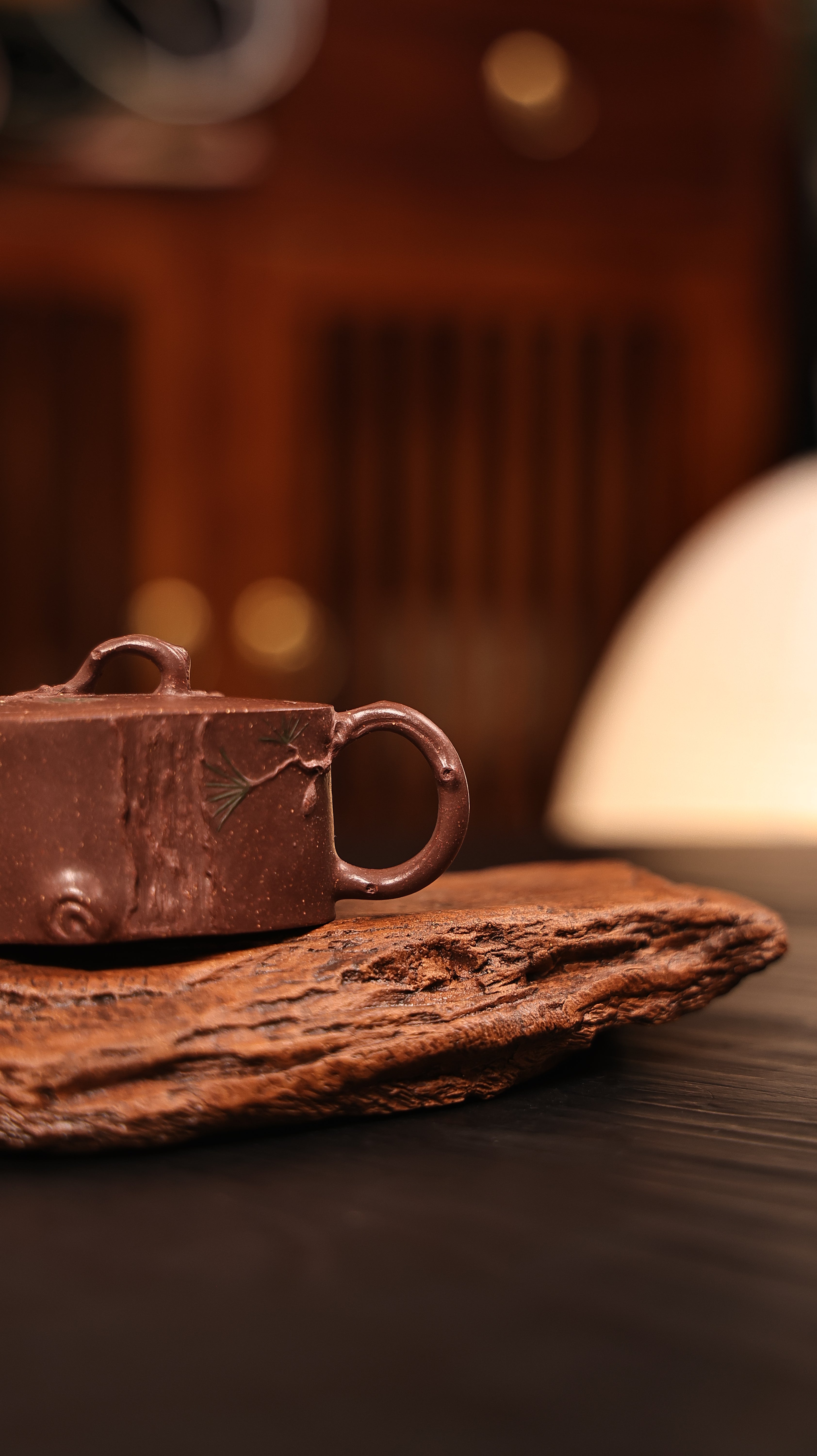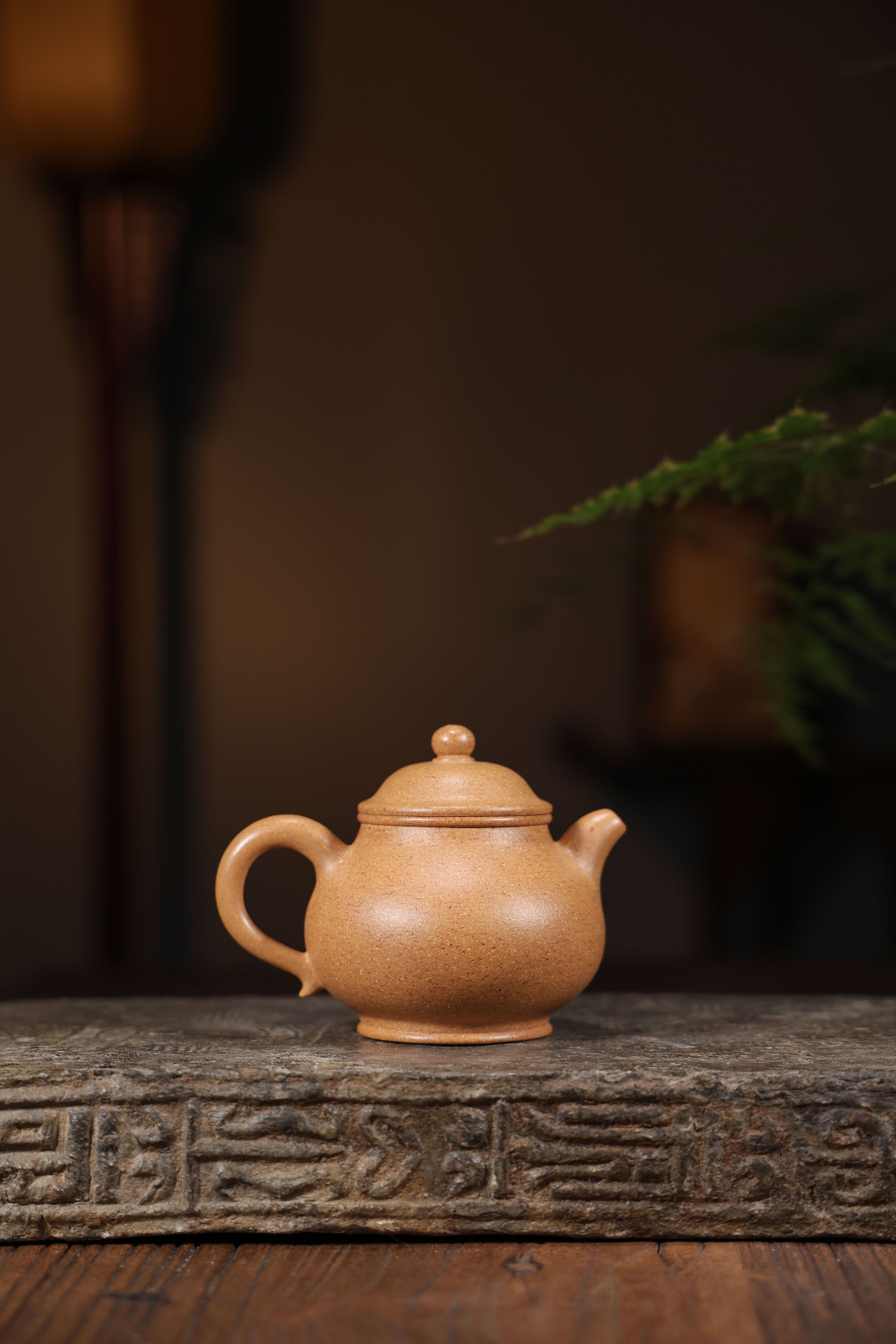
Embarking an exhaustive examination in relation to Yixing Zi Sha earthenware pots introduces special enchanting blend of craftsmanship alongside performance.
Ising Tzu Sha ceramic kettles contain distinct incomparable fascination concerning gatherers globally. Those remarkable earthenware containers, sourced from the specific Yixing region adjacent to Jiangsu locale, China, function as more than just tea utensils; they are esteemed as works creative beauty and heritage significance. Such finely refined clay, known by Zisha, imparts a subtle flavor inside the tea, and the decorative designs, often mirroring traditional Chinese symbols, contribute to their inherent value. Gaining a genuine Yixing Zisha teapot presents a satisfying journey, necessitating careful study and an awareness of the multiple factors influencing their rarity.
Delving into Yixing Brewing Vessels
宜兴 ceramic containers boast a storied history deeply interwoven with Chinese identity. Originating in Yixing, Jiangsu district, these containers are crafted from a unique, porous purple mud found only in that distinct location. Their creation began during the Ming session, with master craftsmen refining the processes over periods. Distinct types are found, including Chinese Teapot the classic Hexiang (resembling crab shells), Zhuni (red-brown hue), and Duan Ni (stone-studded) – each with distinctive qualities. The importance of an Yixing pot isn't solely based on its size or finishing, but also on the creator’s reputation, the earth's quality, and the pot’s age and condition. Connoisseurs often seek out older examples, believing they soak up the essence of the tea brewed within them over time, further adding to their distinction.- Crab Shell Brewing Vessels
- Earth-Toned Tea Containers
- Mineral-Stippled Teapots
Zisha Teapot Mastery: Handiwork & Methods
That crafting of Zisha teapots represents a climax of Chinese ceramic skill. Accomplished artisans employ age-old techniques, often passed down through ancestry, to unlock the full quality of this unique clay. Techniques involve meticulous crafting by hand, often combined with the layering method, followed by precise curing at incredibly high temperatures in wood-fired kilns. Ornamenting is equally crucial; producers utilize intrinsic clay colors and may incorporate etching work to depict intricate scenes or patterns, demonstrating a profound understanding of the material’s features and energy. The final teapot isn't merely a vessel for tea, but a testament to a extensive cultural background.
The Claywares: Special Overview to Ising Zi-sha
Exploring the world of Oriental teapots routinely kicks off with Yixing Zisha. These distinctive clay containers are constructed from a exclusive type of clay located only in the Yixing region of the Jiangsu area province. Distinguished for its distinctive reddish-purple hue and outstanding traits, Zisha clay transfers a light flavor to the tea and enhances with age, growing into a cherished prized possession. Holding Yixing Zisha teapots is more than just having a stunning object; it’s a recognition of history and talent.
Surveying Yixing Purple Clay: Genuine Nature & Growth
Beginning the domain of Yixing Zisha ceramics can be highly fruitful, but entails a careful judgment. Accuracy is imperative; abundant imitations manifest, generally ingeniously forged. Learning about classic firing techniques, distinctive dirt essences, and the emblems of esteemed creators is thoroughly important. Additionally, grasping the subtleties of the appreciation trend – influenced by circumstances such as heritage significance and the status of the component – is vital to effective collection.
- Researching roasting lineage.
- Hiring authorities for authentication.
- Estimating trading trends.
A Process of Creating with a Purple Teapot
Unique one-of-a-kind allure of a Zisha brewing system lies not just in its splendid appearance, but also in its well-known impact on the savor of the tea. These vintage clay earthenware, sourced from specific regions of China, possess a fundamental porosity that softly interacts with the water and leaves, imbuing the libation with a refined character. Mastering the art requires a thoughtful approach, understanding how the earthen material responds to assorted thermal conditions and leaf types, ultimately leading to a actually rewarding sipping adventure.
Safeguarding Your Artifact
Proper maintenance of your Yixing pot is critical to retaining its quality. These singular teapots, crafted from unique Yixing clay, exhibit a sheen over ages that increases their prestige. Periodically rinse the inside part with plain water, avoiding soap-based cleaners, and never use strong scrubbing tools. Sporadic gentle polishing with a smooth cloth can help in taking off patches. Allow your vessel to absolutely dry after each occasion
Explaining Purple: Aspects Yixing Clay Pots Exemplify Distinct
The noted appeal of Yixing teapots is sourced in the unique properties of Earthenware clay, sourced solely near Yixing, that region. This noteworthy clay, recognized as ferruginous porcelain , contains a remarkable combination of minerals that, as time passes, incorporate the note of the brews it retains. This brings about a distinctive flavor profile for each vessel, providing it a merit far outperforming its original price and resulting to their valued status among gatherers.
Hunting for the Perfect Sinocentric Brewing Pot: A Terracotta Directory
Venturing into the world of Purple clay teapots can feel complicated, but understanding the baselines is key to choosing a beloved piece. This type of clay, sourced chiefly from the Yixing zone, the Jiangsu zone, is acclaimed for its unique porosity and ability to improve the flavor of the infusion over years. Think about the form, the hue, and the look and feel; a authentic Zisha teapot is more than just a container; it's a beautiful creation and a representation of traditional culture. Look for the character of the artisan for clues to its heritage and potential standing.