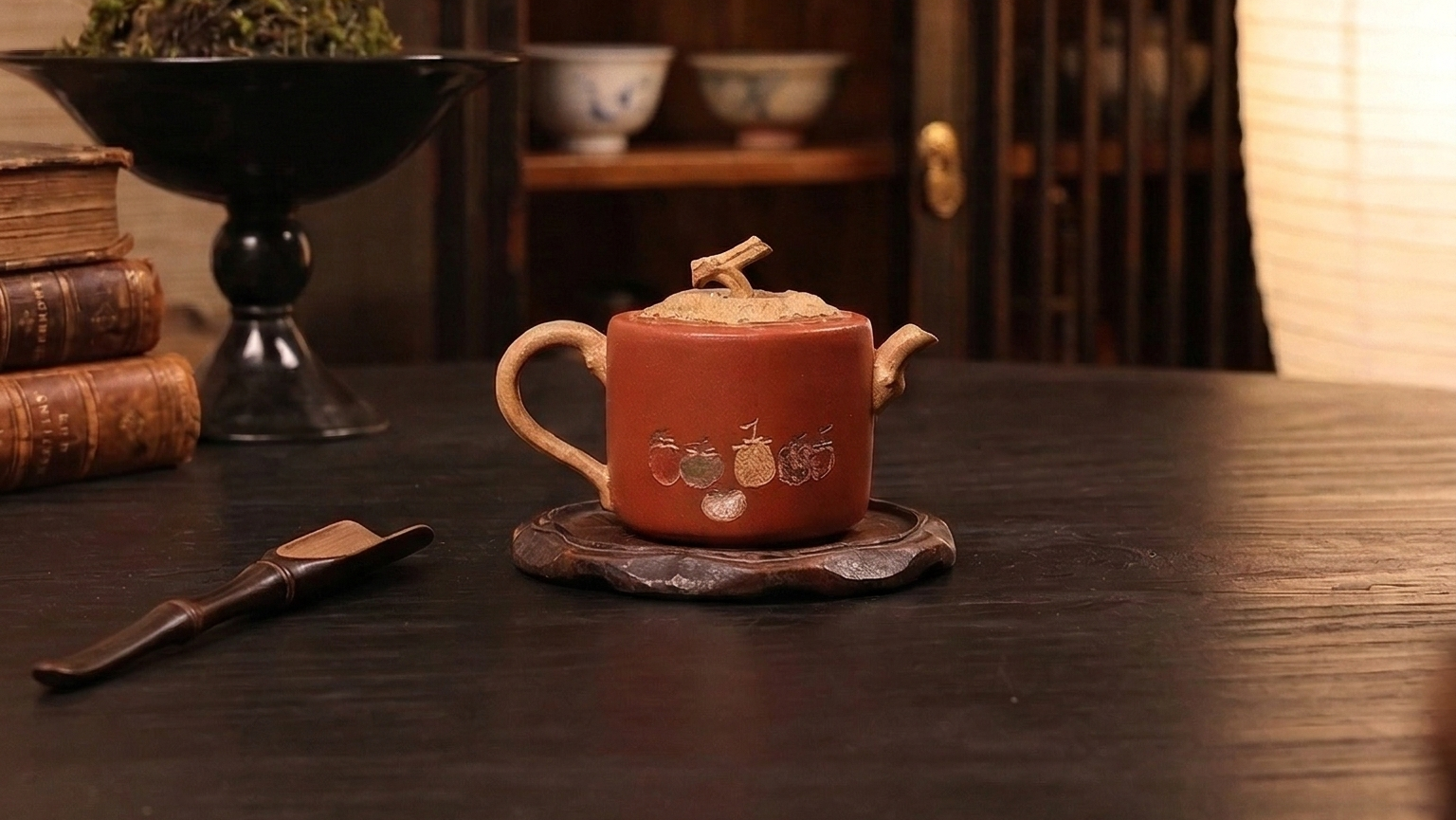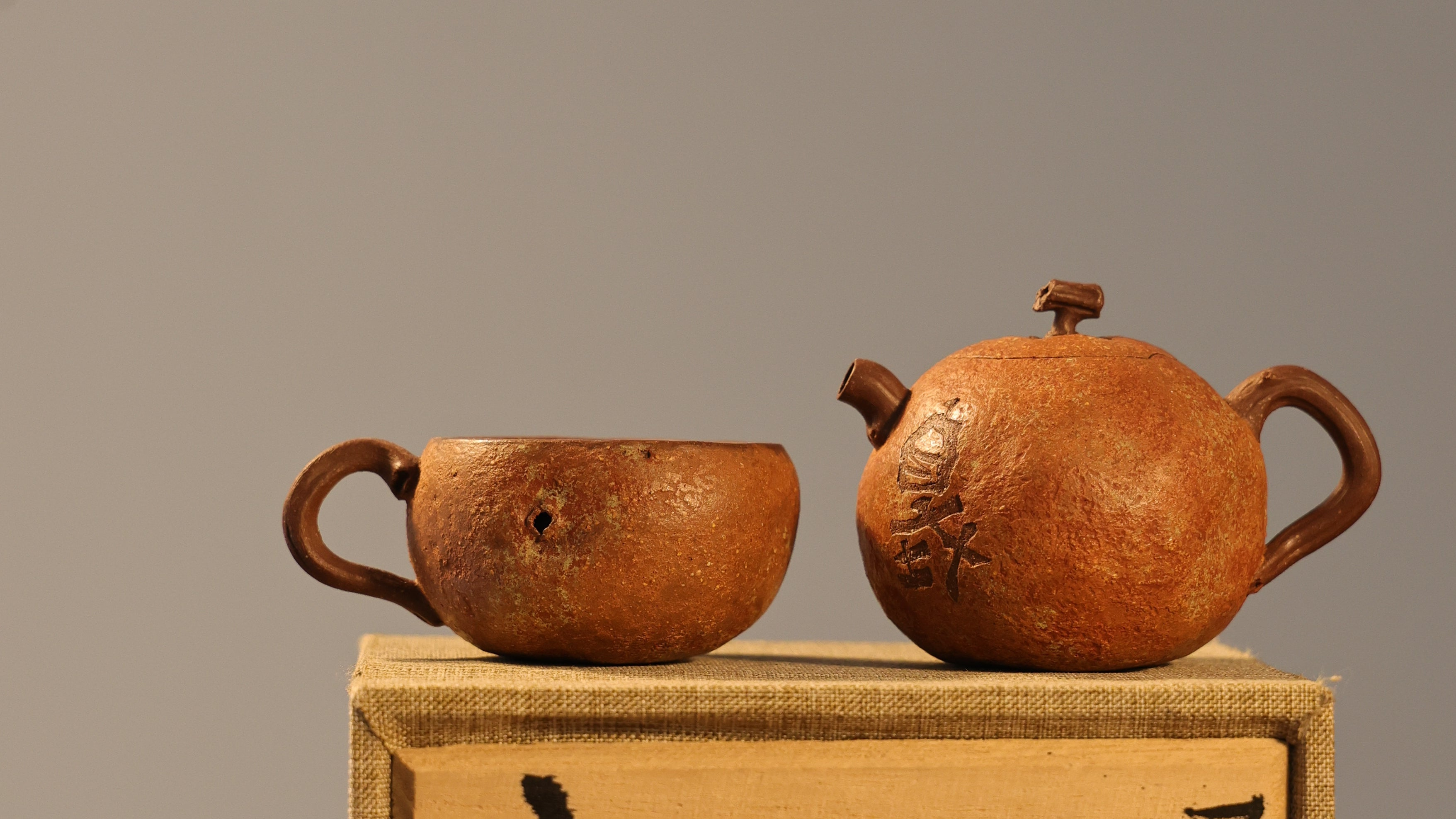
Kicking off a complete inspection concerning Yi-hsing Tzu-sa clay vessels presents a fascinating mixture among expertise accompanied by effectiveness.
Yi-hsing Tzu-sa porcelain pots retain special peerless enticement regarding devotees all over the world. Specific exceptional clay pots, derived from the particular Ihsing area in Jiangsu zone, China, constitute more than just steeping vessels; they are esteemed as works creative beauty and heritage significance. Such finely refined clay, known as Zisha, imparts a understated flavor over the tea, and the ornate designs, often showcasing traditional Chinese patterns, raise their built-in value. Purchasing a genuine Yixing Zisha teapot involves a fulfilling journey, posing careful investigation and an comprehension of the several factors influencing the exclusivity.
Delving into Yixing Teapots
Issing earthenware pots boast a storied past deeply interwoven with Chinese traditions. Originating in Yixing, Jiangsu area, these pots are crafted from a unique, porous purple dirt found only in that designated location. Their development began during the Ming time, with master craftspeople refining the means over ages. Various types persist, including the classic Hexiang (resembling crab shells), Zhuni (red-brown hue), and Duan Ni (stone-studded) – each with distinctive traits. The value of an Yixing brewing pot isn't solely based on its size or ornamentation, but also on the craftsperson’s reputation, the terracotta's quality, and the pot’s age and condition. Gatherers often seek out older examples, believing they retain the nuance of the beverage brewed Purple Clay Teapot within them over time, further adding to their distinction.- Crab Shell Brewing Vessels
- Earth-Toned Brewing Vessels
- Rock-Adorned Brewing Vessels
Zisha Teapot Mastery: Skill & Styles
Such assembly of Zisha teapots represents a peak of Chinese ceramic ability. Skilled artisans employ historic techniques, often passed down through heritage, to unlock the full capability of this unique clay. Practices involve meticulous molding by hand, often combined with the wrapping method, followed by precise kilning at incredibly elevated temperatures in wood-fired kilns. Detailing is equally crucial; potters utilize native clay colors and may incorporate embossing work to depict intricate scenes or patterns, demonstrating a profound grasp of the material’s aspects and manifestation. The finished teapot isn't merely a vessel for tea, but a testament to a extensive cultural custom.
The Claywares: Special Introduction to Eysing Tzu-sa
Studying the world of a teapots regularly originates with Yixing Zisha. These rare clay vessels are manufactured from a specialized type of clay obtained only in the Yixing region of China's Jiangsu province. Renowned for its notable reddish-purple hue and extraordinary attributes, Zisha clay imparts a delicate flavor to the infusion and ripens with age, shaping into a cherished valued item. Collecting Yixing Zisha vessels is more than just having a attractive object; it’s a appreciation of culture and expertise.
Looking at unique Clayware: Validity & Progression
Delving into the world of Yixing Zisha pottery can be truly lucrative, but demands a precise knowledge. Veracity is essential; numerous fakes are present, frequently convincingly made. Learning about classic firing techniques, peculiar dirt particulars, and the symbols of distinguished craftsmen is utterly necessary. Moreover, understanding the finer distinctions of the progression tendency – influenced by causes such as cultural significance and the status of the product – is crucial to sound investing.
- Scrutinizing heating origins.
- Consulting authorities for endorsement.
- Analyzing market variations.
One Craft of Formulating with a Earthen Vessel
Distinctive rare allure of a Zisha setup lies not just in its beautiful appearance, but also in its well-known impact on the essence of the tea. These old clay vessels, sourced from singular regions of China, possess a native porosity that subtly interacts with the drink and leaves, imbuing the beverage with a delicate character. Mastering the skill requires a mindful approach, understanding how the mineral responds to distinct temperatures and plant types, ultimately leading to a genuinely rewarding consuming ritual.
Nurturing One's Relic
Proper attention of your Yixing ceramic vessel is necessary to preserving its durability. These distinctive teapots, crafted from unique Yixing clay, gain a finish over years that raises their worth. Frequently rinse the inside surface with clean water, avoiding soapsuds, and never use powerful scrubbing tools. Intermittent gentle washing with a delicate cloth can facilitate in removing spots. Allow your brewery pot to fully dry subsequent to each steeping
Understanding Earthenware: Secrets Those Earthenware Illustrate Special
The well-known appeal of Yixing teapots is sourced in the special properties of Earthenware clay, obtained solely near Yixing, the city of Yixing. This noteworthy clay, designated as ferruginous earthenware , features a exceptional combination of particles that, over time, take in the essence of the drinks it incubates. This results in a individual aroma for each earthen vessel, delivering it a value far greater than its starting price and aiding to their admired status among experts.
Hunting for the Perfect Sinocentric Brewing Pot: A Purple Clay Handbook
Venturing into the world of Yixing clay teapots can feel intimidating, but understanding the cores is necessary to obtaining a coveted piece. This category of clay, sourced essentially from the Yixing region, Jiangsu Province, is known for its uncommon permeability and ability to augment the aroma of the brew over use. Evaluate the design, the hue, and the look and feel; a authentic Zisha teapot is more than just a container; it's a work of art and a symbol of cultural culture. Analyze the engraving of the designer for clues to its source and potential price.