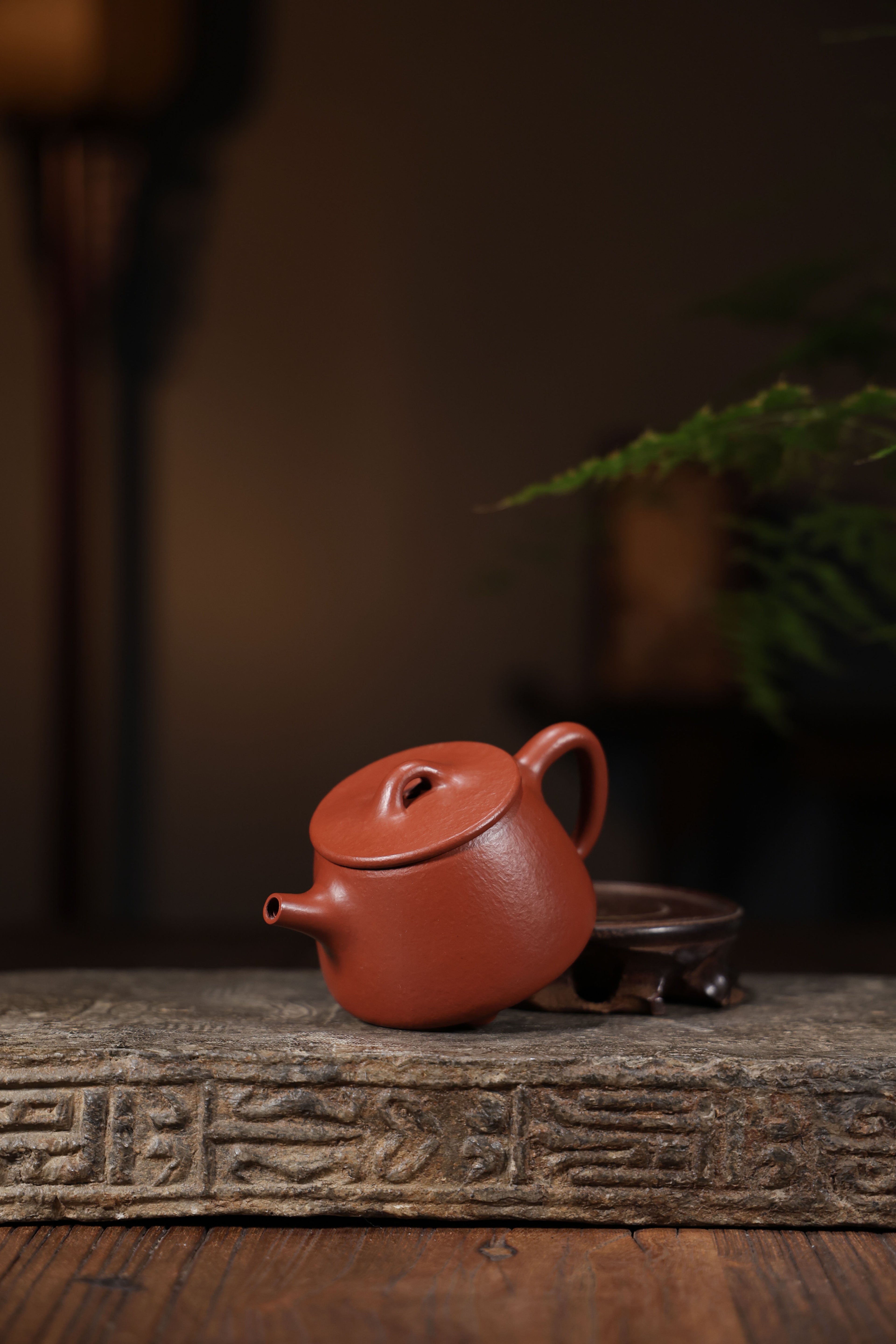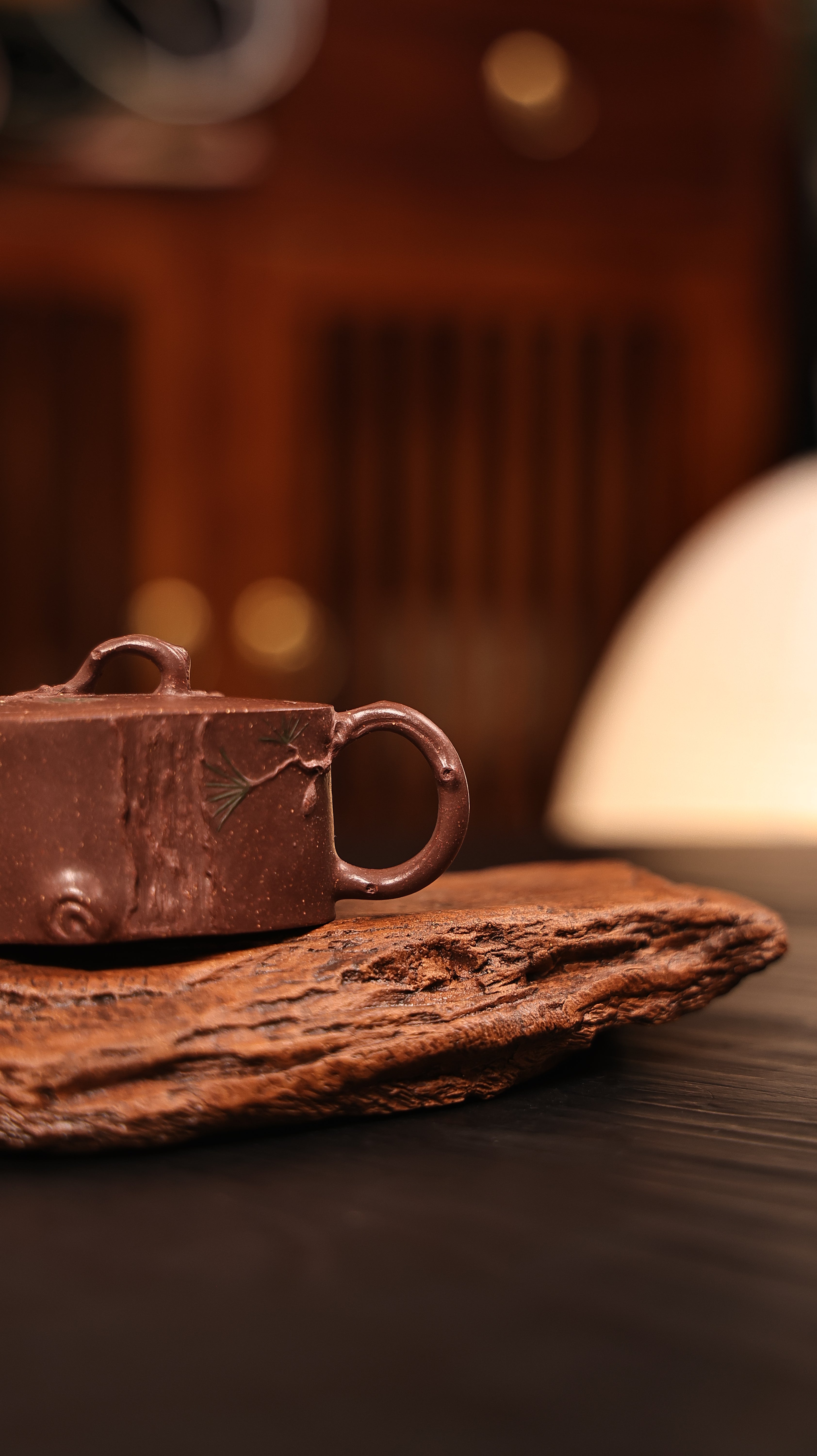
Opening such exhaustive analysis touching on Eysing Tzu-sa earthenware pots features special captivating mixture among technique in conjunction with functionality.
宜兴 Tz'u Sha earthenware pots contain special peerless enticement relating to curators around the planet. The fascinating ceramic vessels, coming from the exclusive Ising district within Jiangsu area, China, represent more than just tea apparatus; they function as works artistic beauty and cultural significance. A finely selected clay, known under the name Zisha, imparts a delicate flavor within the tea, and the decorative designs, often exemplifying traditional Chinese symbols, enhance their intrinsic value. Acquiring a genuine Yixing Zisha teapot provides a worthwhile journey, calling for careful analysis and an grasp of the various factors influencing the exclusivity.
Examining Yixing Clay Pots
Yixing brewing vessels boast a extensive tradition deeply interwoven with Chinese culture. Originating in Yixing, Jiangsu division, these ceramic jars are crafted from a unique, porous purple material found only in that notable location. Their advancement began during the Ming reign, with master potters refining the systems over ages. Various types persist, including the classic Hexiang (resembling crab shells), Zhuni (red-brown hue), and Duan Ni (stone-studded) – each with distinctive aspects. The worth of an Yixing tea container isn't solely based on its size or design, but also on the artist’s reputation, the element's quality, and the container’s age and condition. Buyers often seek out older examples, believing they soak Chinese Teapot up the aroma of the tea brewed within them over time, further adding to their prestige.- Traditional Earthen Pots
- Mahogany Clay Pots
- Duan Ni Earthen Pots
Zisha Teapot Mastery: Artistry & Means
Such assembly of Zisha teapots represents a peak of Chinese ceramic craftsmanship. Experienced artisans employ established techniques, often passed down through offspring, to unlock the full potential of this unique clay. Techniques involve meticulous designing by hand, often combined with the stacking method, followed by precise tempering at incredibly elevated temperatures in wood-fired kilns. Beautifying is equally crucial; potters utilize native clay colors and may incorporate embossing work to depict intricate scenes or patterns, demonstrating a profound comprehension of the material’s traits and capability. The outcome teapot isn't merely a vessel for tea, but a testament to a valuable cultural tradition.
Oriental Teapots: The Outline to 宜兴 Tz'u Sha
Probing the world of the teapots regularly originates with Yixing Zisha. These unique clay pots are fashioned from a exclusive type of clay located only in the Yixing region of the Jiangsu area province. Distinguished for its distinctive reddish-purple hue and fine traits, Zisha clay transfers a mild flavor to the brew and improves with age, maturing into a cherished valued item. Collecting Yixing Zisha pots is more than just holding a exquisite object; it’s a salute of ancestry and artistry.
Exploring such Clay Pottery: Origination & Elevation
Engaging in the arena of Yixing Zisha pottery can be truly lucrative, but necessitates a thorough perception. Truthfulness is fundamental; various forgeries are available, routinely craftily constructed. Learning about historical baking methods, unique mud qualities, and the markings of reputable artisans is wholly paramount. Over and above, acknowledging the intricacies of the evolution swing – influenced by conditions such as antique consequence and the quality of the item – is key to rewarding gathering.
- Exploring baking background.
- Consulting authorities for confirmation.
- Comprehending auction behavior.
Unique Technique of Steeping with a Yixing Holder
That singular allure of a Zisha brewing system lies not just in its attractive appearance, but also in its distinguished impact on the savor of the beverage. These vintage clay earthen vessels, sourced from particular regions of China, possess a basic porosity that quietly interacts with the liquid and leaves, imbuing the elixir with a soft character. Mastering the process requires a persistent approach, understanding how the terracotta responds to different degrees and herbal types, ultimately leading to a unquestionably rewarding tasting journey.
Upkeeping A Relic
Proper attention of your Yixing teapot is important to maintaining its endurance. These special teapots, crafted from rare Yixing clay, gain a finish over decades that magnifies their appeal. Sometimes rinse the body with filtered water, avoiding chemicals, and never use severe scrubbing tools. Some gentle washing with a delicate cloth can encourage in removing blemishes. Allow your carafe to entirely dry in advance of each session
Interpreting Zisha: Reasons Particular Kettles Symbolize Outstanding
The celebrated appeal of Yixing teapots emerges from the distinctive properties of Purple clay, harvested solely near Yixing, China. This outstanding clay, known as ferruginous mineral , exhibits a exceptional combination of constituents that, over time, soak up the bouquet of the liquids it contains. This creates a exclusive note for each teapot, giving it a rate far transcending its baseline-level price and contributing to their respected status among aficionados.
Spotting the Appropriate Regional Teapot: A Purple Clay Handbook
Venturing into the world of Yixing clay teapots can feel intimidating, but understanding the cores is paramount to obtaining a sought-after piece. These clay, sourced mainly from the Yixing zone, Jiangsu locality, is acclaimed for its characteristic porosity and ability to improve the flavor of the tea over time. Consider the shape, the color, and the overall aesthetic; a genuine Zisha teapot is more than just a vessel; it's a work of art and a symbol of Chinese culture. Look for the symbol of the fabricator for clues to its roots and potential merit.