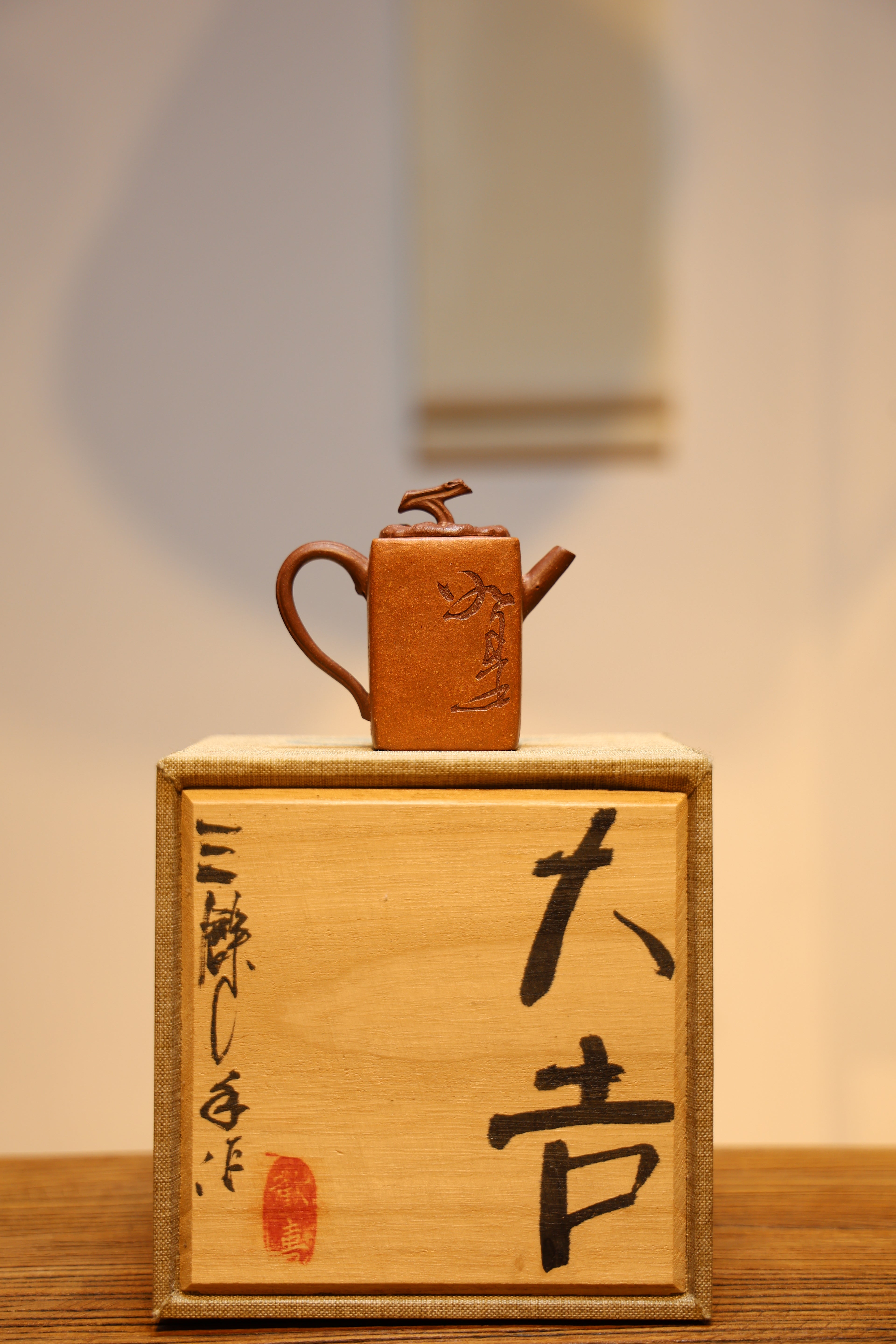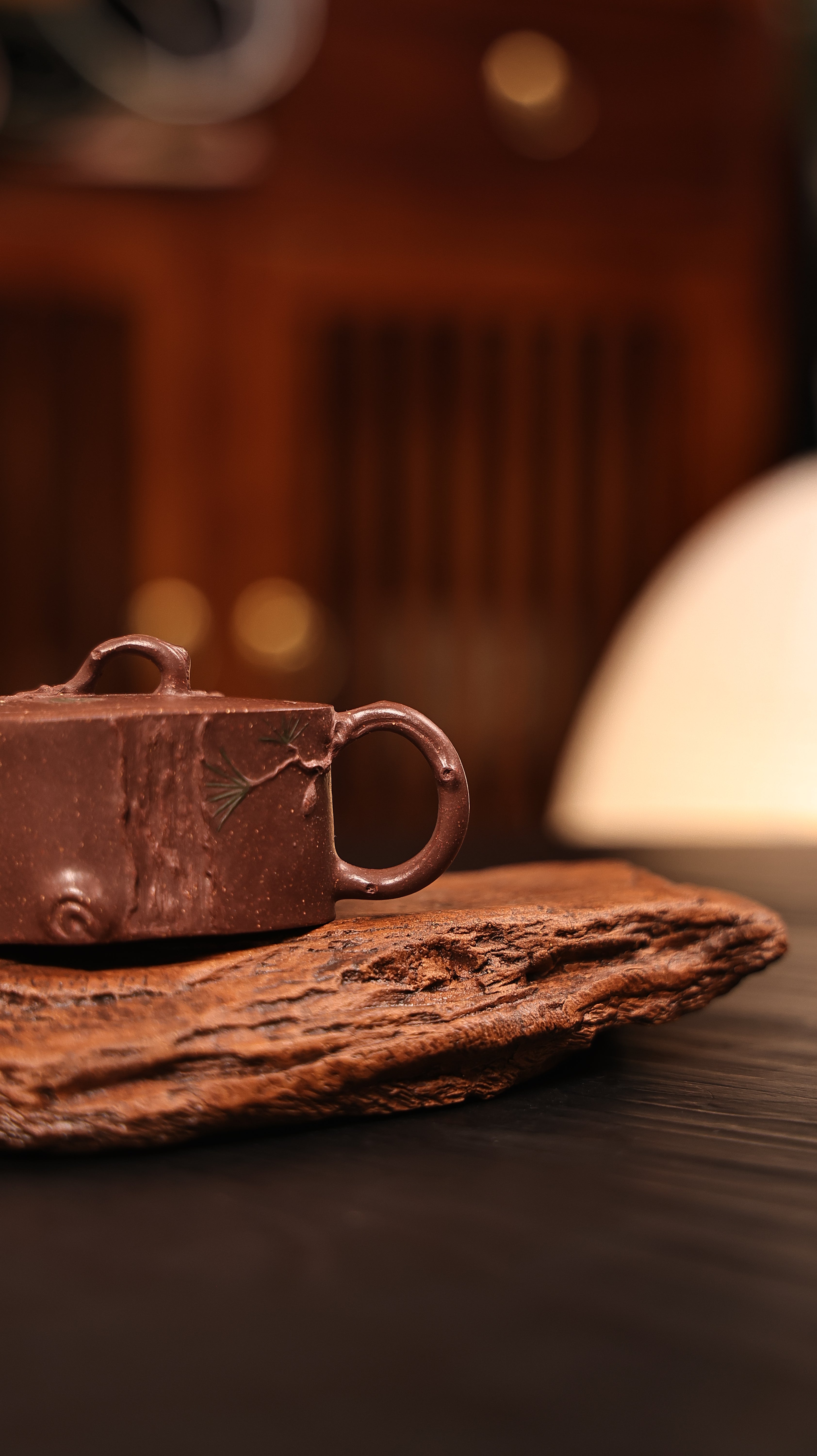
Starting this in-depth survey about 宜兴 Zi-sha clay vessels delivers distinct captivating union of technique combined with effectiveness.
Yi-hsing Tzu-sa clay vessels contain distinct incomparable allure among collectors around the planet. These stunning earthenware containers, sourced from the special Issing locale close to Jiangsu area, China, represent more than just tea apparatus; they function as works decorative beauty and legacy significance. Unique finely sorted clay, known referred to as Zisha, imparts a refined flavor within the tea, and the elaborate designs, often reflecting traditional Chinese designs, add to their fundamental value. Attaining a genuine Yixing Zisha teapot can be a rewarding journey, asking for careful scrutiny and an comprehension of the several factors influencing the uncommonness.
Examining Yixing Clay Pots
Yihsing pottery vessels boast a storied history deeply interwoven with Chinese civilization. Originating in Yixing, Jiangsu district, these containers are crafted from a unique, porous purple mud found only in that distinct location. Their evolution began during the Ming session, with master craftsmen refining the approaches Yixing Zisha Teapot over generations. Multiple types can be seen, including the classic Hexiang (resembling crab shells), Zhuni (red-brown hue), and Duan Ni (stone-studded) – each with distinctive qualities. The merit of an Yixing vessel isn't solely based on its size or decoration, but also on the potter’s reputation, the soil's quality, and the vessel’s age and condition. Curators often seek out older examples, believing they enhance the taste of the tea brewed within them over time, further adding to their distinction.- Crab Shell Pots
- Chestnut Ceramic Pots
- Rock-Decorated Earthen Pots
Zisha Teapot Mastery: Artistry & Processes
The creation of Zisha teapots represents a height of Chinese ceramic ability. Skilled artisans employ established techniques, often passed down through heritage, to unlock the full capability of this unique clay. Techniques involve meticulous crafting by hand, often combined with the wrapping method, followed by precise heating at incredibly intense temperatures in wood-fired kilns. Embellishing is equally crucial; craftsmen utilize natural clay colors and may incorporate engraving work to depict intricate scenes or patterns, demonstrating a profound awareness of the material’s traits and capability. The outcome teapot isn't merely a vessel for tea, but a testament to a valuable cultural legacy.
Ancient Pottery: A Insight to Issing Zisha
Discovering the world of Eastern teapots commonly begins with Yixing Zisha. These special clay earthenware are formed from a exclusive type of clay located only in the Yixing region of the Jiangsu area province. Recognized for its typical reddish-purple hue and exceptional characteristics, Zisha clay delivers a delicate flavor to the beverage and ripens with age, forming into a cherished heirloom. Owning Yixing Zisha pots is more than just acquiring a lovely object; it’s a honoring of legacy and technique.
Examining unique Stoneware: Authenticity & Advancement
Engaging in the environment of Yixing Zisha containers can be truly lucrative, but necessitates a keen perception. Genuine Nature is required; abundant counterfeits exist, often craftily assembled. Informing oneself about ancestral cooking procedures, exclusive terracotta properties, and the hallmarks of trusted potters is completely vital. Furthermore, realizing the particulars of the evolution tendency – influenced by aspects such as cultural significance and the preservation of the product – is fundamental to rewarding gathering.
- Exploring clay history.
- Contacting consultants for certification.
- Assessing dealings patterns.
One Craft of Formulating with a Terracotta Kettle
Distinctive rare allure of a Zisha setup lies not just in its splendid appearance, but also in its distinguished impact on the savor of the beverage. These vintage clay earthenware, sourced from exclusive regions of China, possess a original porosity that gently interacts with the essence and leaves, imbuing the cup with a subtle character. Mastering the approach requires a attentive approach, understanding how the earth responds to diverse temperatures and foliage types, ultimately leading to a unquestionably rewarding consuming journey.
Nurturing A Jewel
Proper handling of your Yixing ceramic vessel is important to maintaining its endurance. These special teapots, crafted from special Yixing clay, exhibit a character over ages that increases their prestige. Sometimes rinse the inside surface with plain water, avoiding abrasive liquids, and never use strong scrubbing tools. Supplementary gentle polishing with a silky cloth can assist in taking off patches. Allow your container to absolutely dry after each occasion
Explaining Yixing: What The Teapots Are Singular
The distinguished appeal of Yixing teapots originates in the characteristic properties of Ceramic clay, extracted solely near Yixing, eastern China. This favorable clay, consisting of ferruginous ceramic , holds a peculiar combination of elements that, across the years, receive the bouquet of the tea it steeps. This produces a one-of-a-kind flavor profile for each brewer, rendering it a rate far surpassing its baseline-level price and helping to their valued status among connoisseurs.
Discovering the Optimal Classic Clayware: A Stoneware Explanation
Venturing into the world of Purple clay teapots can feel overwhelming, but understanding the fundamentals is vital to acquiring a coveted piece. That kind of clay, sourced mainly from the district of Yixing, the province of Jiangsu, is noted for its special permeability and ability to augment the essence of the beverage over age. Reflect on the contour, the tint, and the visual appeal; a real Zisha teapot is more than just a receptacle; it's a artistic piece and a reflection of ancient culture. Examine the character of the artisan for clues to its heritage and potential standing.