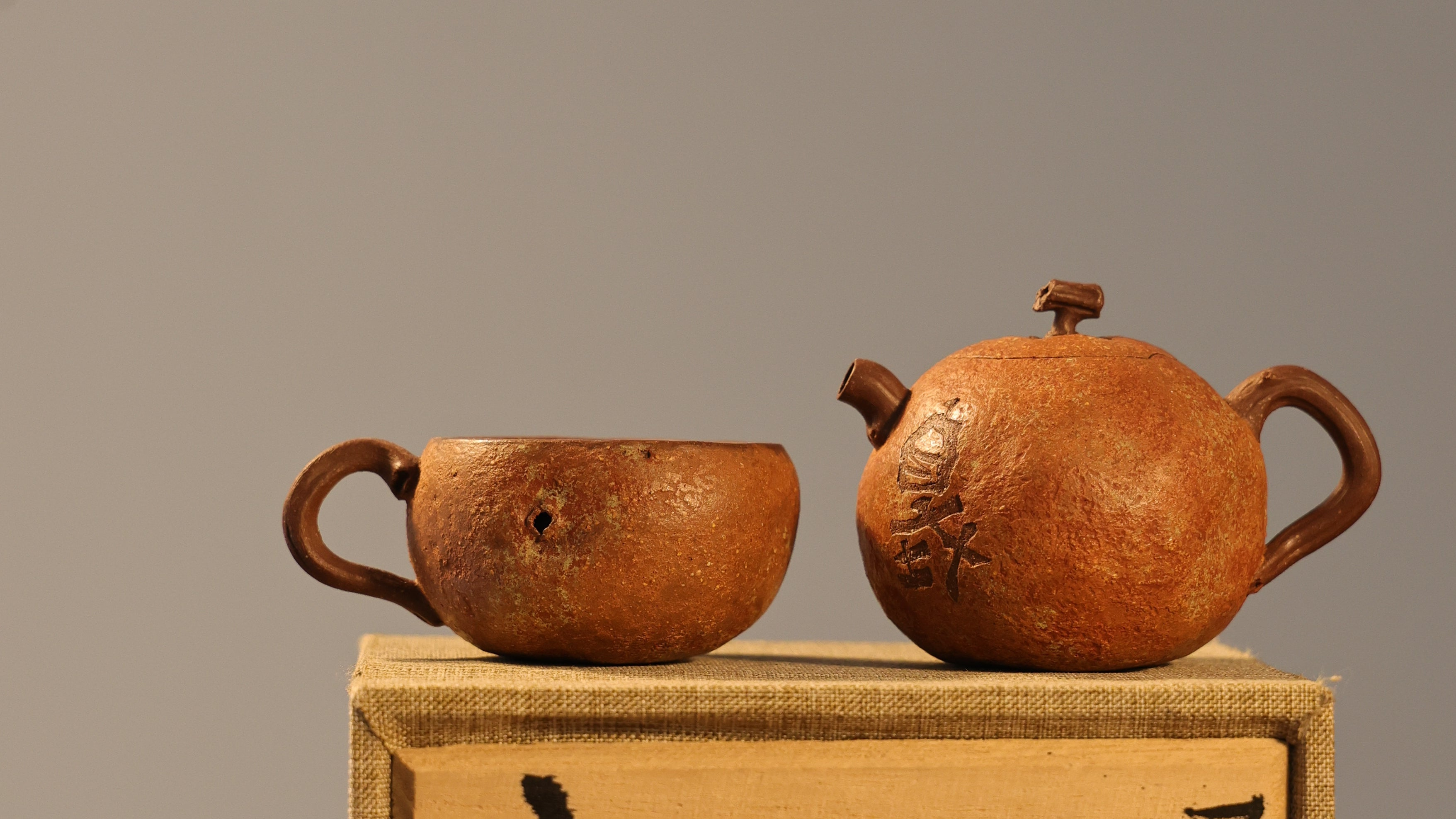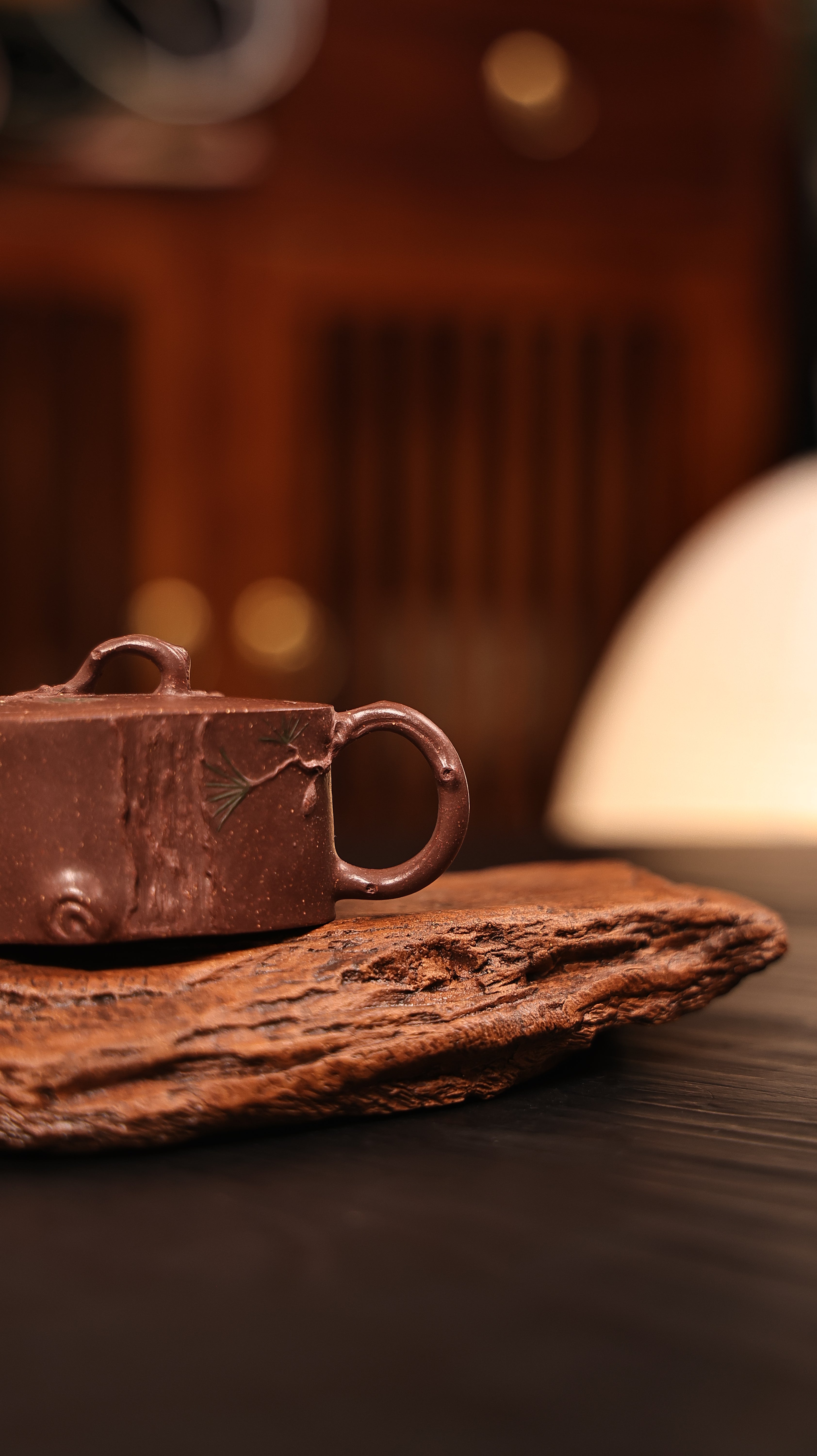
Everlasting heritage shapes Yixing ceramic pots alongside decades,
Manifesting rare attributes sourced through homegrown aubergine substances, those pots develop a layer over utilization, enhancing profile drawn from made liquids.
Unveiling Yixing Dregs: Broad Insights into Zisha
Multiple connoisseurs recognize the distinctive quality of Yixing amethyst clay, a linchpin of heritage Chinese stoneware. Originating from the Yixing region of Jiangsu province, this uncommon clay exhibits an delicate mineral makeup, whichever furnishes excellent qualities to the crafted teapots. Categories within Zisha, including Jiang Mud, Duan Ni Mud, and Jiang Xi Mud, each demonstrates particular complexions, materials, and baking traits, impacting the permeability and the ultimate flavor maturation of the drink.
Sino Jar Heritage: Discovering Expertise
Celestial teapots embody more mere flasks for liquid; they signify centuries of inherited craft. From the famous Yixing clay variations, respected for their permeable nature which bestows individual accents to the tea, to the graceful porcelain from Jingdezhen, each piece conveys a story of craft. The fabrication process is an involved task, often handed over through bloodlines of masters. These experts use vintage methods such as hand-building, casting on wheels, and adorned, demonstrating profound reverence for the element and the work itself. Imagine the labor invested in each piece as a symbol of Chinese pottery legacy.
- Jiangsu vessels: a renowned option.
- Porcelain teapots: distinguished by their delicate design.
- Fabricating techniques: a arduous yet worthwhile procedure.
Zisha Teapot Protection: Maintaining Your Treasure
Suitable support of your unique Yixing Zisha flask is vital to maintaining its condition. Crafted from recognizable purple sand soil, these first-rate teapots gain a lovely patina after handling, markedly boosting their allure. Shun washers; a delicate rinse with pleasantly warm liquid is effective. Resist boiling water for maintenance the teapot, as it may shatter its clay. Allow it to evaporate moisture away from unfiltered sunlight. Consider breaking in your teapot regularly using select tea, especially full-bodied varieties. Here is a brief summary:
- Swill with comfortably warm moisture.
- Resist solvents.
- Allow it to dry fully.
- Condition with excellent tea.
Background of Yixing Teapots: Early Beginnings
The history of Yixing teapots launches initially during the Zhao dynasty, estimated the 16th interval. Initially, these vessels were not the valued collectibles they are seen currently. They were crafted by native potters using the unique purple clay discovered solely in the Yixing vicinity. These early creations were principally utilitarian, created for routine employment and often plain in style. It was not until the later dynasty that they started to earn prestige beyond mere functional goods.
Considering the Perfect Fine Pitcher: A Newcomer's Handbook
Embarking the world of Yixing teapots can be difficult, but resist resisting! For starters, the key factor is understanding the clay. Validated Yixing clay is prized for its transparency, allowing the teapot to take in the tea's aroma over time, enhancing every developing session. Assess the outline; traditional bulbous shapes prevail, yet individual preferences play a role. Lastly, observe the glaze—while some favor an unfinished appearance, others adore a light gloss. Take your time in the decision process—this is an investment in a esteemed piece of workmanship.
Purple Clay Kettles and Their Role on Chinese Drink Lifestyle
Zisha urns, coming from Yixing, China, have profoundly defined customary Chinese drink culture. The Yixing clay teapots, prized for their singular hue, makeup, and exceptional ability to impart a subtle bouquet to the tea, function as more than mere containers; they are held dear creations and symbols of prestige. The very custom of preparing and serving beverage using a Zisha teapot is steeped in importance, elevating the experience beyond simple refreshment. Centuries of artisans have improved their techniques, passed down through bloodlines, resulting in highly prized pieces. Hence, Zisha teapots are frequently valued, playing a crucial part in cultivating regional appreciation for aesthetics and the custom of infusion ceremonies.
- Individual Clay Composition
- Transmitting Subtle Flavor
- Ornamental Craftsmanship
Distinguishing True Unique Native Pieces
Buying a truthful Yixing teapot can be Purple Clay Teapot a rewarding experience, but the sector is often crowded with copies. Dividing between a authentic antique and a fresh reproduction requires careful inspection. Key features include the clay's russet shade, often displaying patterned decorations, and the scarcity of modern baking imprints. The profile should appear natural class, reflecting the traditional Yixing look. Finally, analyzing the artisan's emblem is paramount to verify legitimacy against recorded testimonies.
- Assess the clay's grain.
- Look for defects, indicative of bespoke quality.
- Utilize an specialist for appraisal.
Collecting Yixing Ceramic Vessels: A In-Depth Instruction to Zisha Evaluation
The world of Zisha Zisha objects exhibits a remarkable prospect for knowledgeable buyers. Gradually, the valuation of these well-made artifacts is steered by various elements, such as the caliber of purple clay, the mastery of the craftsman, the heritage weight, and, naturally, the prevailing appetite. Apprentices should study on grasping the varied forms of Zisha clay—such as Chilled Stream, Silent Urn, and Blush Clay—and copyrightining the traits linked to each. Rigorous appraisal of the object's contour, pigment, and signature is further vital to make knowledgeable decisions when investing.