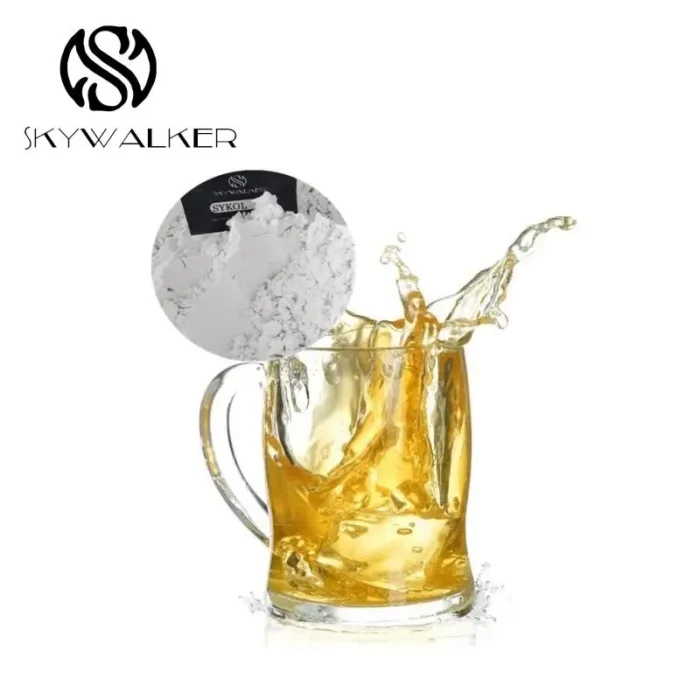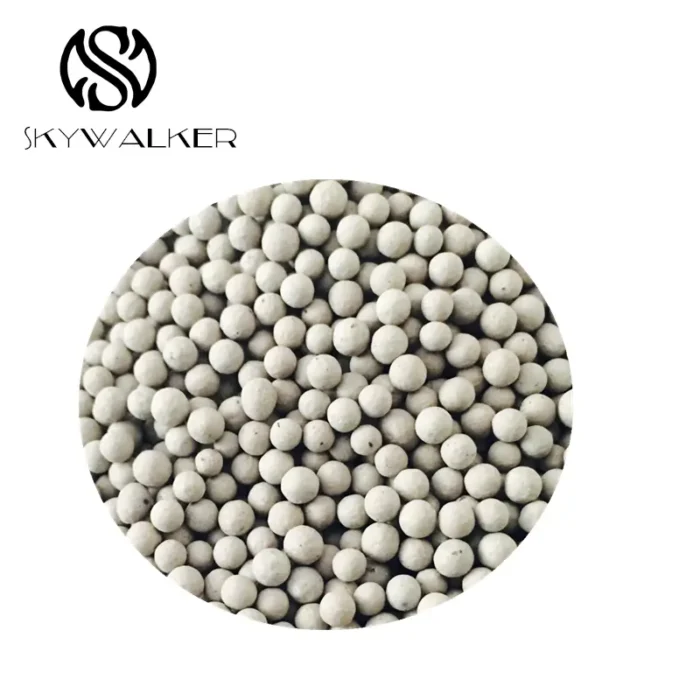
Fathoming activated refining mineral implies a comprehensive inspection of its features. This exceptional element is widely engaged in the filtration of petroleum products, skillfully eliminating foreign substances. The enhancement practice typically involves thermal treatment, augmenting its capturing strength to retain colored elements. At last, this resource will analyze the activated bleaching earth manufacturer concepts behind refined bleaching soil and its benefits.
Bleaching Material Distributors: Securing the Fitting Collaborator
Obtaining a trustworthy source of whitening compound is indispensable for many industries, particularly those involved in lubricant processing. Determining the correct entity requires careful consideration beyond just cost. Analyze their history in mineral supply, their monitoring procedures, and their readiness to consistently address your order needs. A sound bleaching earth distributor will also offer help and a spectrum of variants to match your customized application.
Every Concept Behind Enhanced Clarifying Substance
Treated bleaching earth, a cornerstone of the refining process for edible oils, functions through a fascinating blend of solid and chemical relations. Initially, naturally occurring illite is activated – a operation involving heat and agents – to drastically increase its surface reach. This expanded surface yields an immense number of areas for the targeted adsorption of color pigments, foreign matter, and undesired odor compounds. The mechanism is primarily surface attraction, where molecules are held by weak van der Waals links, though some molecular adsorption can also occur with certain constituents. This results due to a significant diminution of color and betterment of the oil's display and palate.
Purifying Mineral - Parameters and Employments
Refining element, frequently designated porcelain clay, possesses unique traits that enable it highly prized across multiple range of domains. Its chief attribute is its notable clarity, stemming from its minor impurity degree. This aspect makes it fit for functions expecting a radiant view. Apart from its color, clarifying clay: earth is usually soft and demonstrates good pliancy, allowing it to be effortlessly shaped. Popular applications consist of production assembly, plastic reinforcement, medical recipes, makeup items, and as an capacity-enhancing agent in diverse mechanical operations. Likewise, it finds implementation in earthenware and dye branches.
Finding the Perfect Treated De-colorizing Compound for Selected Requirements
Determining the right decolorizing agent can be a difficult endeavor, as different applications necessitate unique properties. Weigh the type of fat you’re handling; some compounds are enhanced for vegetable oils, while different kinds are oriented towards zoic fats. Aspects like porosity and decolorization rate substantially influence productivity.
- Measure the tonality and redolence intensity of the feedstock to define the needed clarification amount.
- Analyze the spread; minuscule particles generally yield augmented surface area, but may generate purification challenges.
- Fathom the fluid concentration as it conditions the earth’s decolorization ability.
De-colorizing Compound: Fabrication Techniques and Supervision
The formation of bleaching earth, a widely utilized element for oil refining and chemical purification, involves several key measures. Initially, kaolinite is harvested and then subjected to preparation via heat contact and/or chemical alteration. This practice enhances the sorptive properties of the aggregate. Next, rigorous standard checks are implemented, consisting in appraisals of fragment size spread, viscous liquid adsorption power, and wetness level. Progressive analytical tools, such as adsorption isotherm analysis and industry scrutiny, are deployed to ensure a predictable material that satisfies stringent benchmarks.
Renewable Sourcing of Processed Bleaching Mineral
The escalating demand for activated bleaching earth presents a significant challenge regarding its generation and environmental footprint. Routine sourcing methods can bring about habitat impairment and drainage of natural resources. Consequently, a move towards sustainable sourcing is necessary. This involves focusing on practices like tree planting of mined areas, employing waste debris from other industries for creation, and backing native communities to protect ethical and sustainable mining conduct. Furthermore, endorsement schemes and meticulous inspection processes are imperative to confirm that the aggregate is obtained in a truly renewable manner. Concerns should also include curbing capacity consumption during treatment and aqueous medium usage.
- Reforestation efforts
- Reusing waste materials
- Backing local communities
- Validation schemes
Lightening Soil Vendor Index: Dominant Firms Classified
Obtaining a reliable material provider can be a complication, but our comprehensive list aims to facilitate the process. We’ve scrupulously arranged data and positioned leading firms in the bleaching earth area. This compilation highlights key producers known for their performance and help, allowing end-users to spot the optimal source for their unique needs. Diverse factors, including output volume, variety, and ratings, were analyzed in determining these greatest orders.
Perceiving Activated Bleaching Earth Performance Metrics
To properly evaluate the effectiveness of activated bleaching earth, it’s vital to apprehend key efficiency metrics. These benchmarks often include color grade, typically measured using a analyzer, which reveals the earth’s ability to filter color from oils. Furthermore, acid number is vital, as it influences the bleaching process; a higher level usually relates with improved bleaching capabilities. Finally, adsorption area, often measured via BET analysis, closely impacts the earth’s capacity to adsorb colorants, ultimately determining its overall bleaching power.