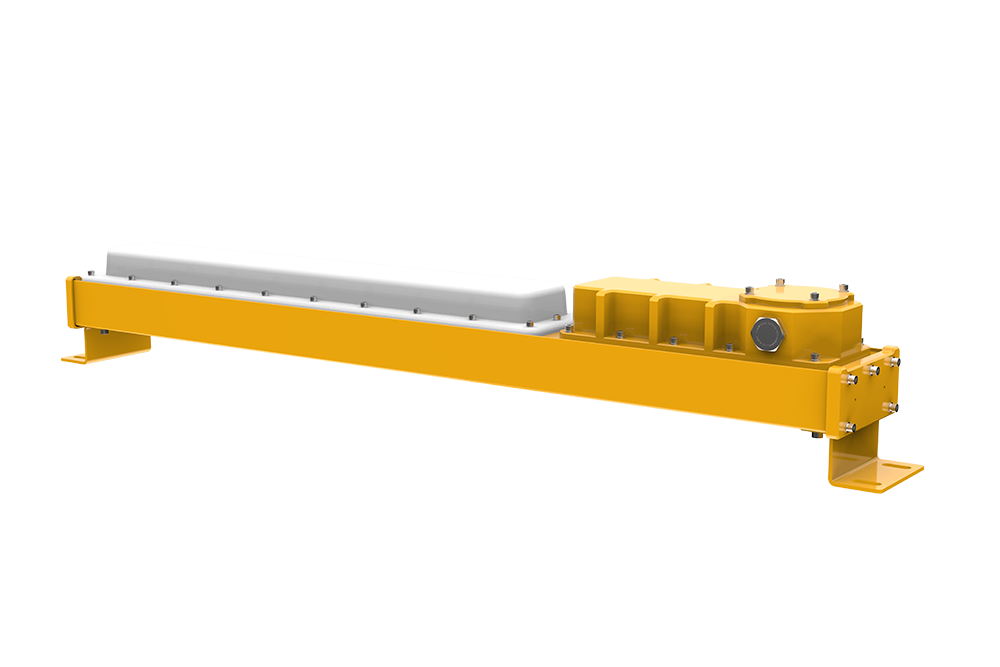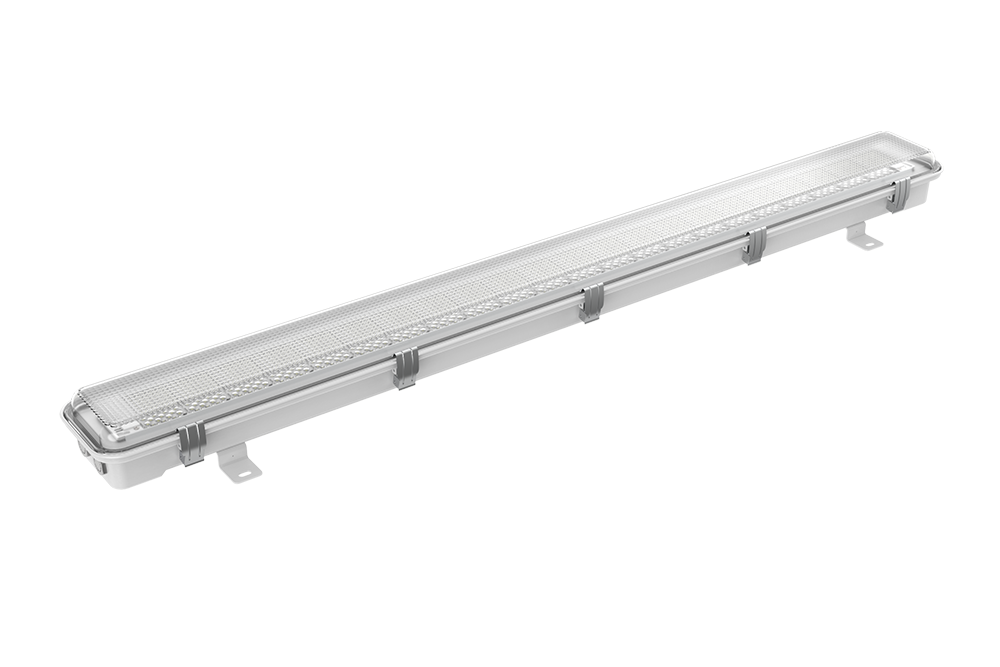
Commencing the article studies several devices concerning blast-proof illumination alongside engineering areas.
Functioning cautiously among hazardous spots specifically industrial plants entails tailored devices so as to prevent conceivable hazards. Hazloc lighting devices are vital constituents in those grounds, crafted to tolerate flammable particles, combustible exhalations, and combustible regions. The aforementioned appliances are not intrinsically sound; on the contrary they are produced to trap any inward flash or flare and prevent it from starting a augmented detonation in the local environment. This summary gives crucial knowledge about explosion-proof units, their purposes, and defense considerations for deploying them effectively.
Understanding Explosion Proof Lighting Standards
Dealing with established explosion-proof lighting codes can be demanding, especially regarding sectors managing hazardous locations. These standards – often supported by national bodies including the National Electrical Commission (NEC), ATEX (Europe), and IEC – enforce rigorous design and setup processes to curb the threat of fire outbreaks from electrical devices. Understanding aforementioned standards is paramount for ensuring operator safety and meeting with legal mandates.
Solid-State Blast Resistant Lighting Systems: Capability & Precaution
Crystal-Based explosion proof fixtures offer a major advancement over older vapor sources in locations where volatile materials are detected. These robust units simply deliver exceptional reduced energy consumption, meaning decreased expenses, but importantly ensure a amplified rank of preservation by avoiding the likelihood of explosions caused by electrical sparks}.
Explosion Hardened Combustible Zone Perilous Proof Explosion Radiance Flare Resistant} Fixtures : A Thorough Synopsis
Explosion Hardened Flammable Site Critical Proof} Devices are particularly engineered lighting techniques built to execute safely within conceivably explosive sites. These tough fixtures eliminate sparks, thermal output and electric discharges from producing a major explosion. They commonly incorporate novel designs, comprising such as closed housings and fundamentally safe wireless modules to ensure safety criteria in sectors like mineral & natural gas processing, compound plants, digging operations, and pharmaceutical production.
Determining the Right Flameproof Illumination for Treacherous Environments
Identifying the perfect explosion-proof devices for a intended at-risk location requires in-depth scrutiny. Parameters such as the class (e.g., Group I, II, or III and sectors 0) need to be rigorously assessed to validate obedience with pertinent hazard control regulations. Apart from the vicinity's inherent threats, weigh environmental elements, embracing thermal conditions and dampness, to determine a resilient and safe option. Constantly coordinate with a qualified professional to advise your conclusion.
Where Exist Explosion Proof Lights?
Explosion-proof otherwise called intrinsically safe|hazardous location|Class-rated} light devices are unconditionally needed in any areas where combustible fumes or debris could plausibly create a toxic atmosphere. This generally includes chemical refining plants, adhesive application areas, seed handling facilities, and sanitary treatment zones. Regulations, such as those from ANSI and UL, order their fitting in these sectors to prevent the risk of ignition and ensure safety integrity.
Advantages of Light Emitting Diode in Hazardous Location Fixtures
Changing to Solid-State Lighting technology for hazardous location illumination offers a substantial quantity of benefits. First, LEDs boast a far longer activity span compared to traditional arc units, reducing support outlays and breaks. They are also naturally safer, producing reduced heat which diminishes the hazard of fire outbreaks in perilous atmospheres. Additionally, light emitting diodes are more cost-effective, leading to lessened electrical consumption costs and a smaller earth-friendly carbon emission. Finally, the sturdy design of Crystal-Based assemblies endures the harsh milieus typical of blast-proof areas.
- Longer Longevity
- Diminished Upkeep Disbursements
- Boosted Security
- Curtailed Voltage Consumption
- Strengthened Robustness
Conserving and Reviewing Explosion Proof Lighting Systems
Routine checking and comprehensive survey of ignition-resistant lighting systems are decisively crucial for confirming operational integrity and curbing potential risks. This covers a routine review of all segments, such as lighting devices, lines, conductors, and coupled terminal enclosures. Primarily, confirm for wear, structural compromise, and appropriate grounding. Besides, check that every indications are identifiable and that the light units satisfies official requirements.
- Conduct sight examinations.
- Assess circuit integrity.
- Substantiate intrinsically safe properties.
Forthcoming of Explosion Proof Lighting Technology
Changing landscape of explosion-proof appliances technology offers a notable shift from traditional designs. Future methods will more and more incorporate intelligent capabilities, enabling remote monitoring, diagnostics, and adjustable control. We predict a broadening adoption of photon-emitting technology, not only for its essential energy efficiency, but also its skill to facilitate integrated sensors for identifying unsafe conditions. Also, materials exploration is promoting innovations in sturdy frame materials, allowing for explosion proof lights compressed and streamlined designs, while securing the vital levels of safety.
- Improved battery life for portable applications.
- Integration with predictive maintenance platforms.
- Development of self-cleaning lens technology.